REVIEW · ROME
Rome Walking Tour of Holy Sites: Basilica of the Holy Cross in Jerusalem, San Giovanni in Laterano and Scala Santa
Book on Viator →Operated by Raphael Tours & Events · Bookable on Viator
Three holy sites, one focused walking loop. This private tour strings together Rome’s most venerated Christian locations with stories that turn relics and art into something you can actually picture. The Scala Santa set-piece alone is enough to make the day feel special, then you’ll carry that mood into two major basilicas.
I love how personal it feels. You pick a start time that fits your schedule, and the pace stays unhurried. I also like the three-stop format: you see major sites in roughly two hours instead of spending half a day hopping around on your own.
The biggest consideration is the dress code. You must cover knees and shoulders (no shorts, no sleeveless tops), and that can be a deal-breaker if you show up unprepared.
In This Review
- Key highlights you’ll feel fast
- Meet in Piazza San Giovanni: How the Walk Stays Focused
- Scala Santa (Pontifical Sanctuary of the Holy Stairs): Jesus, Pilate, and St. Helena
- Basilica di Santa Croce in Gerusalemme: Nails, Thorns, and Constantine’s Mother
- San Giovanni in Laterano: Rome’s Oldest Papal Cathedral in One Stop
- Dress Code, Quiet Rules, and Knee-Pad Prep
- Guides and the Storytelling That Makes Relics Make Sense
- Price and Value for a $346.87 Private Holy-Sites Tour
- Who This Tour Fits Best (and Who Might Prefer Another Option)
- Should You Book This Rome Holy Sites Walk?
- FAQ
- Where does the tour start?
- How long is the tour?
- Is this tour private?
- What sites are included?
- Is there admission to pay at the sites?
- What language is the tour offered in?
- What is the dress code for churches?
- Are food and drinks allowed inside the churches?
- What’s included in the price?
Key highlights you’ll feel fast
- A private group keeps the attention on you, not on squeezing in for photos
- Free admission is listed for all three stops, so you’re mostly paying for guidance and time
- Scala Santa is the centerpiece, with the Pilate story and the St. Helena connection
- You’ll get relic context, including references to the nails and thorns
- Finish with the cathedral that anchors Rome’s church calendar, San Giovanni in Laterano
Meet in Piazza San Giovanni: How the Walk Stays Focused
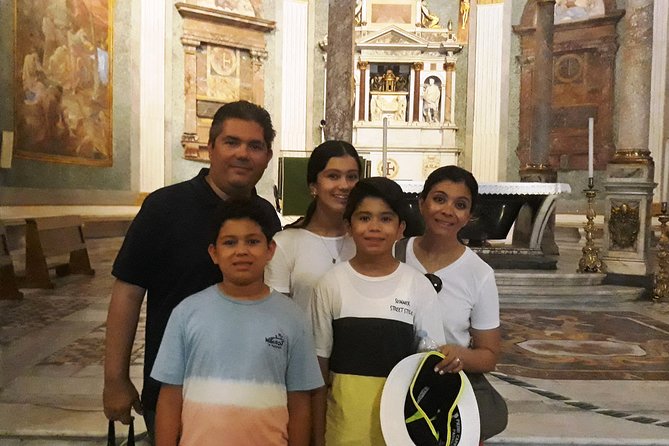
The tour begins at Piazza di S. Giovanni in Laterano, a logical starting point if you’re already exploring the San Giovanni area. The format is simple: you meet your guide, then move on foot from one holy site to the next, with short, guided stops that keep you from feeling lost inside huge churches.
This is private, and that matters. Even though the sites are famous, your guide can slow things down where you need it, and you’re less likely to get swallowed by the loudest parts of a big crowd. It also helps that the itinerary is built around short visits of about 40 minutes each, so you’re not stuck in one room forever.
One practical note: the “meeting points” details show different possible end locations. The itinerary ends with San Giovanni in Laterano, but the listed end point shows Basilica of Santa Croce in Gerusalemme. I’d treat your confirmation as the final word on where you’ll finish, then plan nearby transport or a quick follow-up walk based on that.
You can also read our reviews of more tours and experiences in Rome.
Scala Santa (Pontifical Sanctuary of the Holy Stairs): Jesus, Pilate, and St. Helena
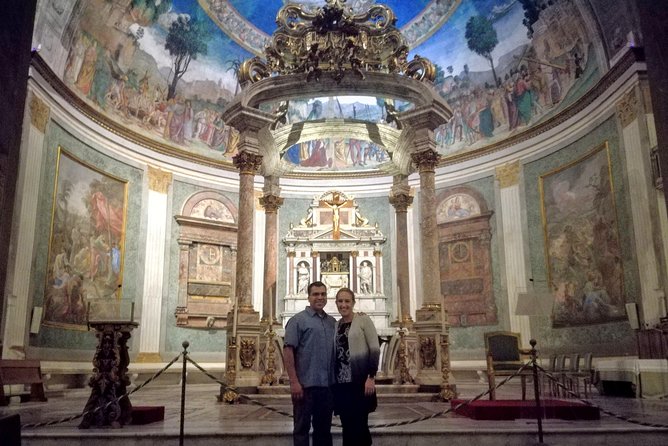
Your first stop is the Pontifical Sanctuary of the Holy Stairs, famous for the marble steps known as the Holy Stairs. This is a place where visitors don’t just look; they move with intention. The experience is often most meaningful for people who like to pair sightseeing with prayer and reflection.
Here’s what makes this stop stand out. You’re told the steps are tied to the biblical account of Jesus being taken upward to where he faced Pontius Pilate before the crucifixion. Then you’ll hear how the tradition connects the Holy Land to Italy, including the story that the steps were brought to Rome by St. Helena.
Time-wise, you’re there for about 40 minutes, and the schedule lists free admission. That’s enough time to take in the chapel setting, listen to the explanation, and do the step-by-step part at your own pace.
A small comfort tip that can make a real difference: plan for your knees. One couple in the feedback specifically mentioned using knee pads for climbing the Scala Santa. If you want to be prepared, bring slim knee pads or plan how you’ll protect your joints. Comfortable shoes still matter here, even if the focus is on the steps themselves.
Potential drawback: this stop is physically demanding in the way only “pilgrimage stairs” can be. If you have mobility issues or knee pain, you’ll want to think carefully before committing to a stair-focused devotional experience.
Basilica di Santa Croce in Gerusalemme: Nails, Thorns, and Constantine’s Mother
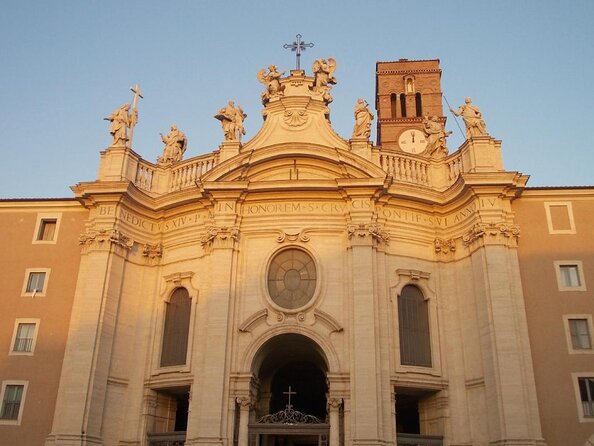
Next up is Basilica di Santa Croce in Gerusalemme, a church that links its identity to early Christianity and to the era connected with St. Helena and Emperor Constantine. The setting is not just about standing in a pretty room. It’s about understanding why this place became a destination for veneration.
You’ll learn that the church was built beginning in the fourth century on a site associated with St. Helena’s buildings. That “time depth” is part of the point: it explains why Rome treats this basilica as more than a church stop on a list. You’re stepping into a location that has been tied to devotion for centuries.
This stop is where the tour leans hard into relic storytelling. You’ll see references to the remnants of the Holy Cross, including mentions of the nails and thorns. The guide’s job here is important. Relics can feel abstract if you only look at them like museum objects, but with the right framing, they become part of a larger narrative about belief, preservation, and how pilgrims shaped Rome’s religious landscape.
The tour schedule again gives you about 40 minutes, with admission listed as free. It’s a good length for a slower look—especially if you want to stand back, take in the church’s layout, and then move in closer for what’s actually being referenced.
A practical restriction: the tour guidance notes that food and drinks are not allowed inside churches, except for water. So you’ll want to plan a quick snack outside before you start, and bring water if you’re following the rules.
San Giovanni in Laterano: Rome’s Oldest Papal Cathedral in One Stop
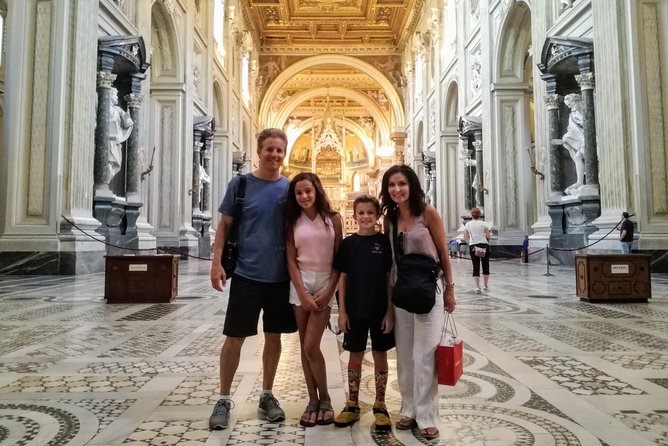
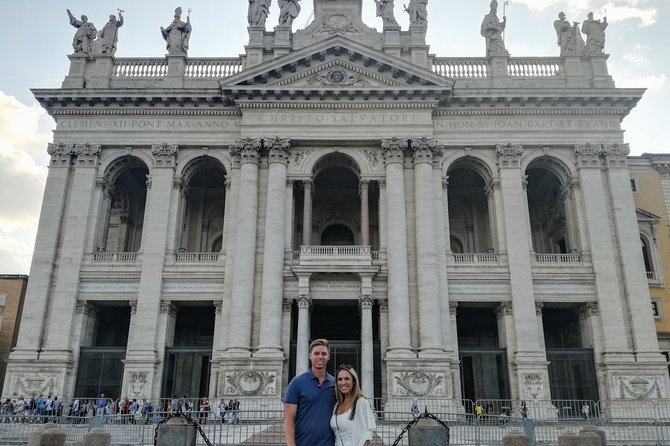
The final major stop is Arcibasilica di San Giovanni in Laterano, Rome’s official cathedral and one of the city’s oldest places of worship. If you’ve been to a few big-name churches already, this one helps you understand what “major” means in the Roman church system. It’s not just old. It’s foundational.
The tour frames it as the first of the four major papal basilicas, and as the oldest and most important Western basilica. That’s big wording, but the way you’ll experience it is visual: scale, authority, and a strong sense that this is a center of religious life rather than a single impressive room.
You’ll also be guided through the art and relic-focused side of the building, with your guide explaining the stories behind what you see. One standout from the feedback: people strongly emphasized not skipping this last stop. The message is clear—save your energy and arrive ready to spend real attention here.
Expect another 40 minutes. This is where the tour becomes less about one dramatic feature and more about taking in the cathedral as a whole: where you’d go first on a return visit, what to notice for context, and how the pieces connect.
Dress Code, Quiet Rules, and Knee-Pad Prep
This tour asks for basic respect for places of worship, and the rules are very specific. You’ll need to cover knees and shoulders for both men and women. That means no shorts and no sleeveless tops. The guidance also says entry can be refused if you don’t meet the dress requirements, so don’t gamble with a last-minute outfit change.
Inside the churches, you’ll also follow a no food or drinks rule, with water allowed. I like this kind of rule set because it keeps the sites calmer and more reflective. The downside is that it reduces your ability to “pause and snack” during downtime. Plan a meal before you start, and bring water if you’re prone to getting thirsty.
For the Scala Santa portion, the physical reality matters. Even if you’re an experienced walker, the devotion is stair-based. If you want to make it more comfortable, consider knee pads and keep your pace slow and steady.
And bring comfortable shoes. This is a walking tour, and you’re spending time standing in church environments where slipping or sore feet can ruin your mood.

Guides and the Storytelling That Makes Relics Make Sense
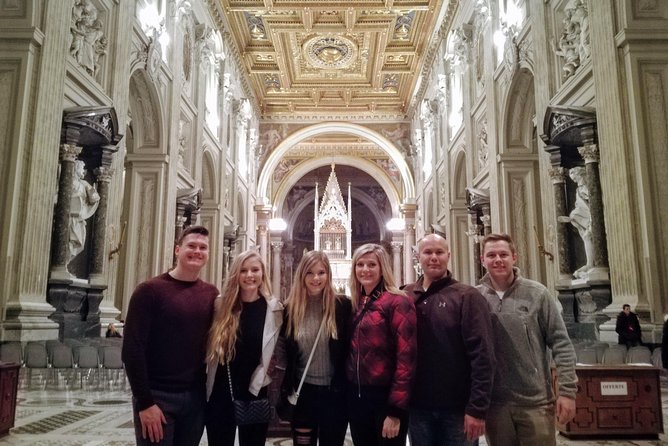
The whole point of a guided tour here is turning objects into meaning. You’re not just learning dates and names. You’re connecting:
- why people believed these sites mattered,
- why certain relics found their way to Rome,
- and how the religious stories traveled across geography.
The feedback is consistent on one thing: the guides take their time and answer questions without rushing you through. Names that show up in the guide reports include Tomasso, Francesco, Giorgio, Bruno, and Giovanni Giorgio. If you’re booking and you have a preference, you can ask whether someone like Francesco is available—he’s specifically called out for being patient and for pacing the experience around what the group needed.
A practical mindset that helps: go in knowing you won’t catch everything on the first pass. Let the guide’s stories set the framework, then ask one or two focused questions. You’ll walk away feeling like you understood why each building was chosen for veneration, not just that it exists.
Also, the guide can help you notice what you might otherwise miss—like how the basilica spaces are arranged for worship, where relic references show up visually, and how art and objects support the tradition.
Price and Value for a $346.87 Private Holy-Sites Tour
At $346.87 per person, this isn’t a budget tour. You’re paying for three things: a private guide, a time-saving route through major sites, and a story-led visit that focuses on relics and meaning.
So where does the value land?
- Time efficiency: you’re covering three top holy sites in about two hours instead of spending extra hours moving between scattered locations.
- Paid attention: the private format means you’re not competing for the guide’s voice inside crowds.
- Experience focus: the stops are designed around the Scala Santa devotion and the basilica relic context, not just “look and go.”
If you’re the type who enjoys churches on your own, you could piece this together with self-guided visits. But if you want someone to explain what you’re seeing and why it matters, the cost starts to make sense.
One more note: the tour is described as being booked about 73 days in advance on average. That’s a hint that you shouldn’t wait until the last minute if these sites are on your must-see list.
Who This Tour Fits Best (and Who Might Prefer Another Option)
This tour is a strong match if you:
- want one guided route through the most meaningful holy sites in this part of Rome,
- care about relic context and the stories behind them,
- prefer a private, quieter experience rather than a crowded checklist tour.
It’s also a good fit for couples or small groups who want reflection time. The feedback repeatedly highlights the sense of reverence and patience built into the pace, including people taking time to pray on the Holy Steps and at the Holy Cross stop.
Who might reconsider?
- If you’re not able to participate in stair-focused devotional moments, the Scala Santa portion may feel like too much.
- If you’re traveling light for summer heat and don’t have clothing that meets the shoulders-and-knees rule, you could be stuck with an outfit problem.
Should You Book This Rome Holy Sites Walk?
I’d book it if you want a guide-led, respectful route through Scala Santa, Santa Croce in Gerusalemme, and San Giovanni in Laterano without feeling rushed. The best reason is simple: you don’t just see famous sites; you get the story that makes the relics and spaces click.
If you do book, come prepared for the church dress rules and bring the right comfort gear for the Holy Steps. Also, plan to give that last stop full attention. The final basilica is part of the payoff, not just the last box to check.
FAQ
Where does the tour start?
It starts at Piazza di S. Giovanni in Laterano in Rome, Italy.
How long is the tour?
The duration is about 2 hours.
Is this tour private?
Yes. It’s listed as a private tour, with only your group participating.
What sites are included?
You’ll visit the Pontifical Sanctuary of the Holy Stairs (Scala Santa), Basilica di Santa Croce in Gerusalemme, and Arcibasilica di San Giovanni in Laterano.
Is there admission to pay at the sites?
The tour schedule lists admission ticket free for the Scala Santa stop and also for the basilica stops.
What language is the tour offered in?
It’s offered in English.
What is the dress code for churches?
You need to cover knees and shoulders. No shorts or sleeveless tops are allowed for both men and women, and you may be refused entry if you don’t comply.
Are food and drinks allowed inside the churches?
Food and drinks are not allowed in the churches, except for water.
What’s included in the price?
A local guide and a private tour are included. Food and drinks, plus hotel pickup and drop-off, are not included.