REVIEW · ROME
Basilica of Santa Maria Maggiore Tour
Book on Viator →Operated by ROMAETRAVEL · Bookable on Viator
Santa Maria Maggiore rewards slow looking, not rushed scrolling. This small-group tour brings you straight into one of Rome’s great Marian churches, with Papal-era stories and Byzantine-style interiors that start deep in the 5th century. I also like how the guide connects the art to real power in Rome, including why this basilica became a Papal residence in the 1300s.
You’re paying for a guided hour-plus inside, not just entry. The main thing to consider is pacing: it’s listed at about two hours, but the experience can feel tighter depending on the day and conditions, so wear comfortable shoes and plan to move with the group.
In This Review
- Key things to know before you go
- Basilica di Santa Maria Maggiore: what this tour is really about
- Inside the basilica: Salus Populi Romani and the popes behind the art
- Byzantine interiors from the 5th century: the “Roman Sistine Chapel” angle
- The 1300s Papal residence story: why the building feels political
- Chapels, burials, and the details that stop you cold
- Time, group size, and the reality of a 2-hour visit
- Pickup and meeting point: starting at Piazza della Repubblica
- Dress code: what you must wear to avoid being turned away
- English guide experience: what to expect from the narration
- Price and value: is $173.39 worth it?
- Who should book this tour?
- Should you book this Basilica of Santa Maria Maggiore Tour?
- FAQ
- Where does the tour meet and start?
- How long is the Basilica of Santa Maria Maggiore tour?
- Is pickup included?
- What’s the group size limit?
- Is the tour offered in English?
- Do I need a ticket for entry?
- Do I need a mobile ticket?
- What’s the dress code for entering?
- What should I wear for comfort?
- How far in advance is it commonly booked?
Key things to know before you go
- Small group (max 14): easier questions and better time with the guide
- Pickup within the Aurelian Walls: saves you the hassle of getting across central Rome
- Dress code required: knees and shoulders must be covered, no shorts or sleeveless tops
- Mobile ticket: ready on your phone for check-in
- Admission ticket is free: you’re paying for the tour, guide, and pickup, not church entry
- English tour: focused explanations with a live guide
Basilica di Santa Maria Maggiore: what this tour is really about
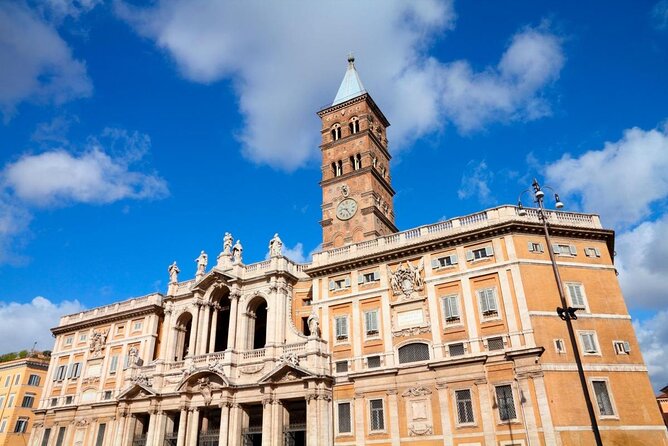
Santa Maria Maggiore is a “big church” in the classic Roman sense: it’s huge, layered, and still very much alive. What makes this tour worth your time is the way it organizes the experience around a few concrete ideas: Marian devotion, papal involvement, and the artwork that survives from centuries of rebuilding.
You’ll spend the bulk of your time at the Basilica di Santa Maria Maggiore itself. The guide helps you read what you’re seeing instead of just taking photos and moving on. That matters here because the interior is dense with iconography—paintings, chapels, and decorative details that can look similar if you don’t have a guide to point out what’s important.
This is also one of those places where “two hours” can be enough if you focus. The tour structure is designed to help you get the main scenes and stories without dragging you through every corner like a checklist.
You can also read our reviews of more tours and experiences in Rome.
Inside the basilica: Salus Populi Romani and the popes behind the art
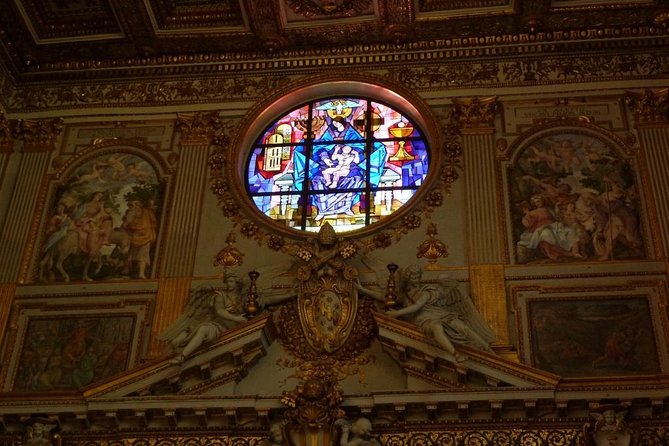
The heart of the visit is the venerated image of Salus Populi Romani, which depicts the Blessed Virgin Mary as help and protectress of the Roman people. You’ll hear how this devotion connects to the church’s status as a major papal basilica, and why that status changed how the space was treated over time.
One detail I really appreciate is the specific historical milestone: the image received a canonical coronation by Pope Gregory XVI on 15 August 1838. The guide may also mention the Papal bull Cælestis Regina tied to that event. Even if you don’t remember the Latin name later, the point lands: this basilica wasn’t just a local church. It was part of an official, Rome-wide religious story.
Then there’s the practical side of seeing this in person. When a guide frames an artwork like this, you’re less likely to feel lost among gilding and marble. You can start asking better questions while you’re standing there: What part of the church is tied to formal papal recognition? Which scenes are about protection and healing? Why do certain chapels feel like they were built to honor specific figures?
Byzantine interiors from the 5th century: the “Roman Sistine Chapel” angle
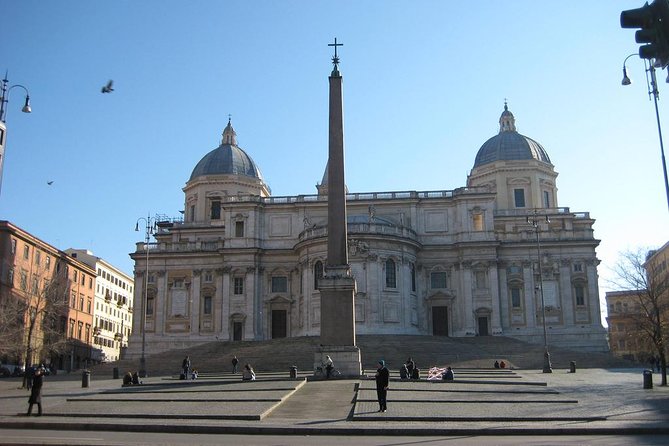
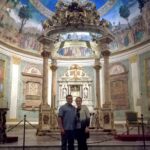
Santa Maria Maggiore is known for its magnificent interior design, including Byzantine influences dating back to the 5th century. On this tour, the guide explains what you’re looking at so the mosaics and decorative language don’t feel random.
You’ll also hear the comparison to another famous Vatican ceiling moment—the church is sometimes called Rome’s other Sistine Chapel, and the guide ties that idea to the Pope Sixtus V connection. The usefulness of that framing is simple: it gives you an anchor for what to prioritize visually. You’re not hunting for the “best view” on your own. You have a narrative for why the interior looks the way it does and where to spend your attention.
There’s a second value here: the guide makes the church feel like a living document of changing tastes. Byzantine-era style isn’t just an aesthetic label. It’s a clue to how early Christians communicated ideas visually, especially when literacy and access to texts varied across the population.
The 1300s Papal residence story: why the building feels political
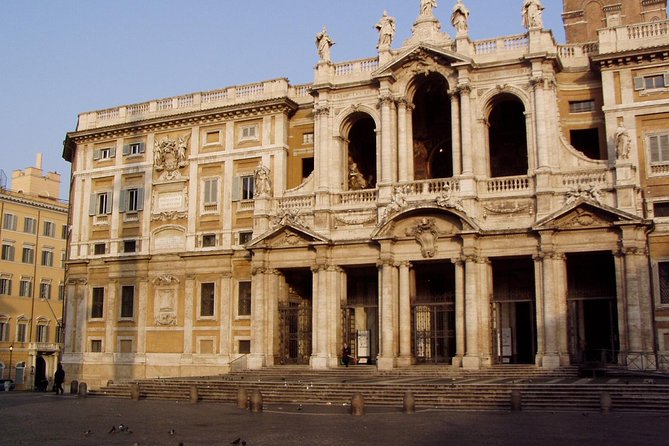
One of the more fascinating parts of this tour is the explanation of how Santa Maria Maggiore functioned as a Papal residence in the 1300s. That detail changes how you interpret the building. A church like this isn’t only a place for worship. It was also a stage where authority, ceremony, and devotion met.
When you understand that, you start noticing the kinds of spaces that support status—areas that draw attention, and decorative choices that would make sense for official gatherings. You don’t need to be an architecture expert to get value from this. You just need a guide to point out what the basilica’s role implies.
If you like Vatican-adjacent history but prefer something less crowded than the top-ticket museums, this is a strong fit. It’s Roman power expressed through religious art, and the guide’s story helps you connect those dots quickly.
Chapels, burials, and the details that stop you cold
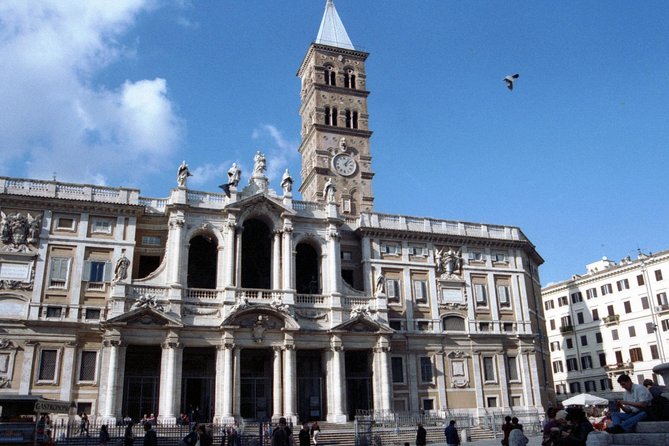
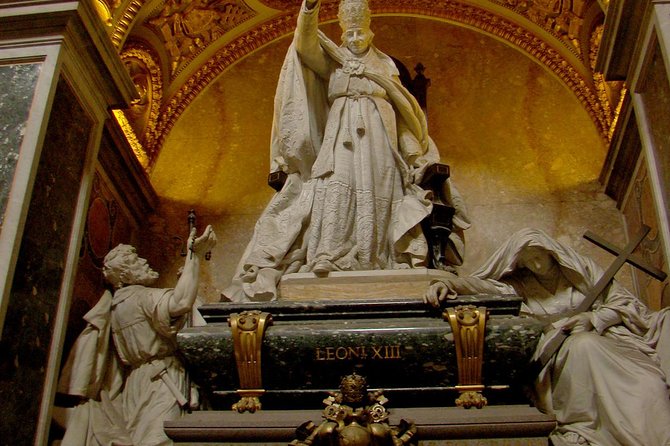
Santa Maria Maggiore is full of side chapels and tomb-related history, and this tour doesn’t treat those details as filler. Instead, it uses them to show how the basilica became a place where important people wanted to be remembered.
You may hear about the popes buried in the basilica. One review also specifically points to Boromini being buried there, which adds a “wow” layer if you know his work and the era he represents. Even if you don’t connect the name instantly, it’s the kind of detail that makes the place feel human and personal, not just monumental.
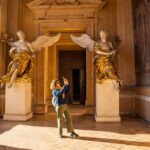
And then there’s the kind of decorative detail that you’d otherwise miss. In a cold January visit described in one account, the guide pointed out a side chapel with cherub and angels in black marble—unusual compared with the more common white marble look. The explanation given was that this contrast helped enhance the gold decorations. That’s the kind of information you’ll love because it teaches you how the church uses color and texture like a visual system.
If your goal is to leave with a few memorable images and a clearer sense of why they matter, this tour leans that way.

Time, group size, and the reality of a 2-hour visit
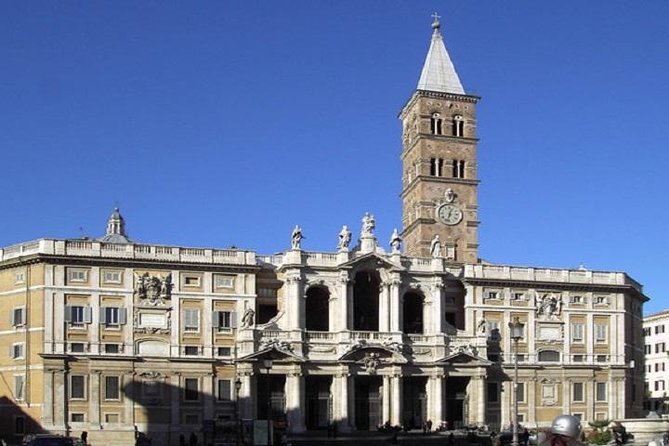
The tour runs for about two hours. It’s designed as a small-group experience with a maximum of 14 people, and that number makes a real difference. In a group that size, you’re more likely to hear the guide clearly and to ask quick questions without everyone disappearing in different directions.
However, be honest about timing. One review mentioned the guide wrapping up closer to 40 minutes, and another noted outdoor heat cutting down what could be discussed outside. That doesn’t mean the tour is always short, but it does mean you should show up ready to move and focus. Wear comfortable shoes, especially because churches can mean a lot of standing and careful walking.
If you’re doing this as a late afternoon plan, the listed start time is 2:00 pm. A 2 pm slot can be great for an early evening rhythm—when you’re done, you’ll still have time to grab food nearby.
Pickup and meeting point: starting at Piazza della Repubblica
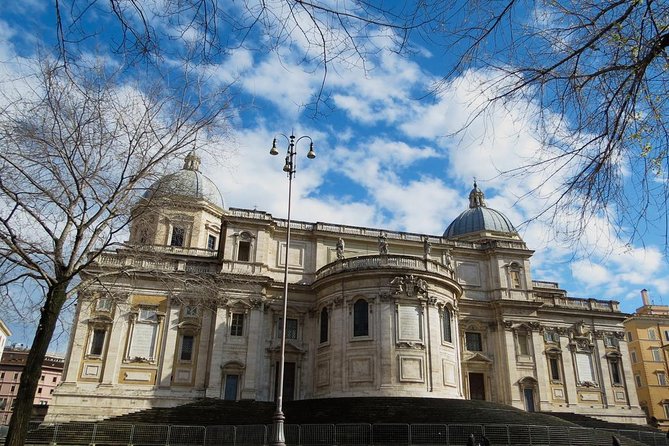
This tour starts at P.za della Repubblica, 48, 00184 Roma RM, Italy. The meeting point matters because it reduces time wasted figuring out where the group is and where you should be standing.
Pickup is included for accommodations within the Aurelian Walls. If your hotel is outside that zone, the pickup may not be included, but you can email your lodging details to confirm. The tour uses pickup as a major convenience feature, and for many people in central Rome, it’s the difference between a smooth start and a scramble.
The end point is the meeting point again, meaning you don’t need to solve a second navigation problem after the tour.
Dress code: what you must wear to avoid being turned away
This is not the place to wing it with “close enough” clothing. A dress code is required to enter places of worship and selected museums. The rule is clear: no shorts, and no sleeveless tops. Knees and shoulders must be covered for both men and women.
If you arrive in summer clothes that don’t meet the requirement, you could be refused entry. So before you leave your hotel, check your outfit. Bring a light layer that covers your shoulders, and if you’re unsure about your shorts, don’t take the risk.
This matters for value. The last thing you want is to lose part of the experience because of clothing rules. If you’re traveling in shoulder season or winter, also keep in mind that even when you’re indoors, it can still feel cold. In one account from a rainy January day, the basilica felt very cold to the visitor, and they couldn’t tell if heating was on. So dress for comfort, not just style.
English guide experience: what to expect from the narration
The tour is offered in English with a live guide. In a small group, that’s usually the difference between seeing the basilica as decorations and actually understanding what the guide is pointing out.
One review mentions a guide named Luisa as sweet and patient, explaining each step. That style—patient, step-by-step—is exactly what helps in a church like this, where the important details are distributed across chapels, walls, and decorative programs.
Because this tour focuses on history and art interpretation, it’s particularly useful if you want structure. You’ll get signposts: what to look at, why it matters, and how it connects to papal activity and Marian devotion.
Price and value: is $173.39 worth it?
The price listed is $173.39 per person, for an approximately two-hour small-group tour. At first glance, it sounds high if you think only in terms of “church tickets.” But admission is listed as free for the basilica ticket portion, which shifts the value question.
You’re paying for three things that are hard to DIY efficiently:
- A live guide who explains what you’re seeing and helps you prioritize key artworks and stories
- Pickup (within the Aurelian Walls), which removes one of the biggest time sinks in Rome
- A small group limited to 14, which tends to improve clarity and reduce the feeling of being herded
If you’re traveling with limited time in Rome—or you want something more meaningful than a self-guided wander—this kind of guided interpretation can be good value. If you’re comfortable going solo and you already have a strong background interest in papal history and early Christian art, you might feel less urgency. But for most people, the combination of pickup + guided focus is where the money starts to make sense.
One more value angle: a two-hour guided visit often helps you avoid getting stuck at the wrong spot for too long. That matters because Santa Maria Maggiore is big enough to swallow an afternoon if you don’t have direction.
Who should book this tour?
This is a great match if you:
- Want a guided understanding of Santa Maria Maggiore’s Byzantine interiors and papal connections without committing to a half-day
- Prefer small groups over large bus tours
- Care about how religious art ties into real historical events, like Gregory XVI’s coronation of the Salus Populi Romani image
- Like church visits where burials and side chapels are part of the story, not an afterthought
It might be less ideal if you:
- Want maximum time inside and hate the feeling of moving with a group
- Are sensitive to cold in winter and tend to get restless standing around, since comfort depends on the day’s conditions and setup
Should you book this Basilica of Santa Maria Maggiore Tour?
I’d book it if you want an easy win: a structured, English explanation that turns a famous church into a story you can actually follow. The small group size and included pickup make it especially practical, and the focus on specific themes—Salus Populi Romani, papal involvement, Byzantine-era interiors—helps you leave with more than “I saw a beautiful church.”
If you’re the type who prefers wandering freely and reading on your own, you may not need this guide. But if you want to get your bearings fast and understand what’s special before you drift into the details, this tour is a solid choice.
FAQ
Where does the tour meet and start?
It starts at P.za della Repubblica, 48, 00184 Roma RM, Italy, and it ends back at the same meeting point.
How long is the Basilica of Santa Maria Maggiore tour?
The tour is approximately 2 hours.
Is pickup included?
Yes. Pickup is included for accommodations within the Aurelian Walls. If your hotel isn’t listed, you can email your accommodation details to confirm pickup.
What’s the group size limit?
The tour has a maximum of 14 travelers.
Is the tour offered in English?
Yes, the tour is offered in English.
Do I need a ticket for entry?
The basilica admission ticket is listed as free. The tour price covers the guided experience and included services like pickup.
Do I need a mobile ticket?
Yes, a mobile ticket is offered.
What’s the dress code for entering?
You must cover knees and shoulders. No shorts or sleeveless tops are allowed, and you may risk refused entry if you don’t comply.
What should I wear for comfort?
Wear comfortable shoes, since you’ll be spending time walking and standing inside the basilica.
How far in advance is it commonly booked?
On average, it is booked 90 days in advance.