REVIEW · SEVILLE
Seville Jewish Quarter walking tour: Santa Cruz District
Book on GetYourGuide →Operated by Guides and Tours · Bookable on GetYourGuide
Follow the legend through Seville’s oldest maze. On this guided walk through Seville’s Santa Cruz neighborhood, the guide links real corners to Jewish-era stories—especially the haunting triangle of Susona, love, betrayal, and identity—and the atmosphere makes the past feel close. You’ll also hear how later Seville figures like Miguel Mañara and the folklore ghost of Barrabás add extra layers to the same winding streets.
What I like most is how the tour keeps moving while still making each stop feel specific, not generic. You get a close look at Andalusian courtyards and the kind of small details locals notice—orange trees, quiet plazas, and alleyways where whispers and poetry seem to linger. Seeing the area’s most emblematic corners, not just the busiest photo spots, is a big part of the value.
One drawback to plan around: this is a walk, with narrow streets and plenty of time in sun and shadow shifts. If you hate uneven cobbles or you want long sitting time in cafés, the 1.5-hour format can feel short.
In This Review
- Key things that make this tour worth your time
- Santa Cruz: where Seville’s streets carry memories
- Starting at Plaza del Triunfo: a smart launch point
- Plaza de la Alianza: the Golden Age vibe in a small frame
- Plaza de Doña Elvira: where romance meets everyday life
- Calle Susona: the legend you can walk on
- Callejón del Agua: poetry, whispers, and the power of water
- Hospital de los Venerables: history with weight
- Casa Murillo: courtyards and the city’s quiet theater
- Rosina’s Balcony: a cinematic stop that still teaches
- Calle Ópera Carmen and Patio de Banderas: finishing with cultural momentum
- Price and time: what $15 buys you in real terms
- What makes the guide part so important
- Who this tour suits best
- A note on comfort: shoes, sun, and the pace
- Should you book this Santa Cruz Jewish Quarter walking tour?
- FAQ
- How long is the Seville Jewish Quarter walking tour?
- What does the tour cost?
- Where do I meet the guide?
- What languages are available?
- What is included in the price?
- Is food or drinks included?
- Is the tour accessible for wheelchair users?
- Is it refundable if my plans change?
- Can I reserve now and pay later?
Key things that make this tour worth your time
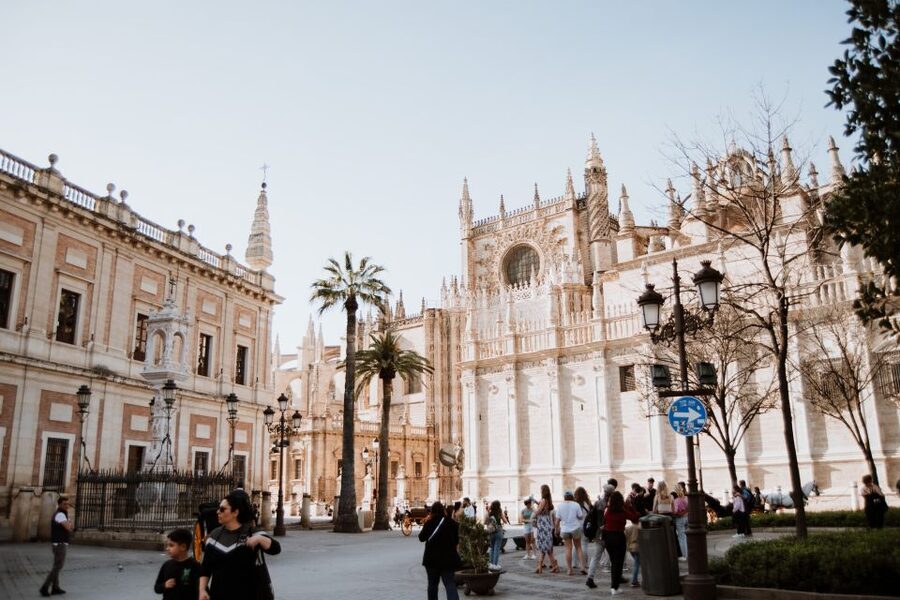
- Legend-to-street storytelling that turns names like Calle Susona into something you can picture
- Courtyards and plazas such as Plaza de Doña Elvira with its orange trees and romantic mood
- Folklore stops tied to Susona, Miguel Mañara, and the ghost of Barrabás
- A route built for wandering: narrow alleys plus quieter corners many people miss
- Good guide energy: groups often get personalized attention when questions come up
Santa Cruz: where Seville’s streets carry memories
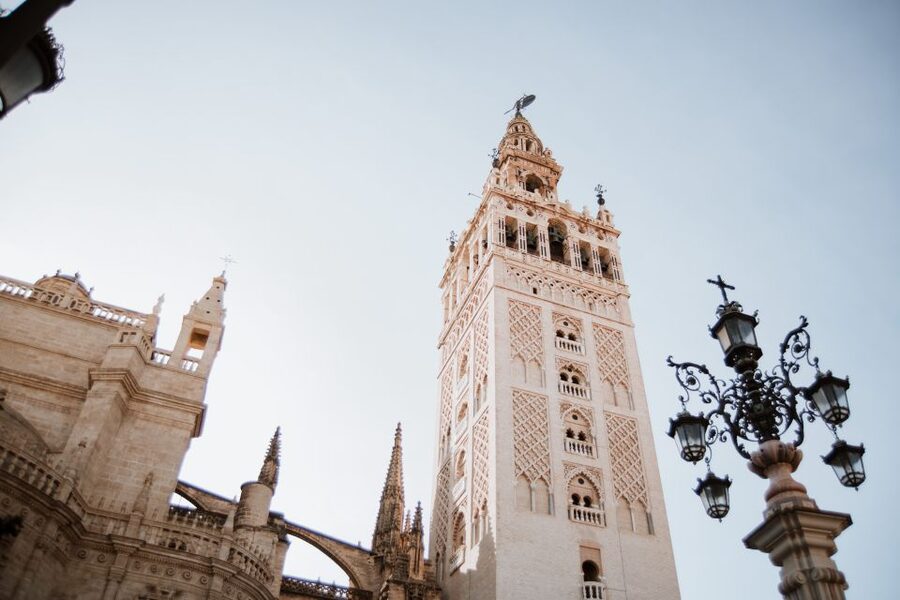
Santa Cruz is Seville in miniature: whitewashed facades, tight turns, and patios that seem to hide from the street. It’s also the former Jewish quarter, so the neighborhood holds layers—Jewish heritage, later Christian-era changes, and Seville’s love of storytelling. When a guide ties those layers to what you’re standing in front of, the maze starts to make sense.
This walk is designed to be story-focused, not checkpoint-focused. Instead of rushing past sights, you stop often enough to learn what each place is known for—plus why certain street names and corners became part of the legends people repeat for generations. For me, that’s the difference between seeing Seville and getting to know it.
The tour runs 1.5 hours, which is a sweet spot for history without exhausting you. Seville can get hot, and the streets can be slow-moving even when you’re eager. This format helps you get the good stuff while keeping energy for the rest of your day.
You can also read our reviews of more tours and experiences in Seville.


Starting at Plaza del Triunfo: a smart launch point
You’ll begin at Plaza del Triunfo, meeting your guide under the Virgen de la Inmaculada statue. Your guide will hold a blue umbrella or wear a nametag with the Sevilla Guías & Tours logo, so you can actually find them without stress.
This matters more than you’d think. Plaza del Triunfo is the kind of central place where you can orient quickly, then step into the neighborhood’s narrower streets with confidence. Starting here also sets the tone: the tour moves from a larger public square into the intimate feeling of Santa Cruz.
You’ll get your first short guided orientation early on. That’s helpful if it’s your first time in Seville, because the stories make more sense when you know where you are.
Plaza de la Alianza: the Golden Age vibe in a small frame
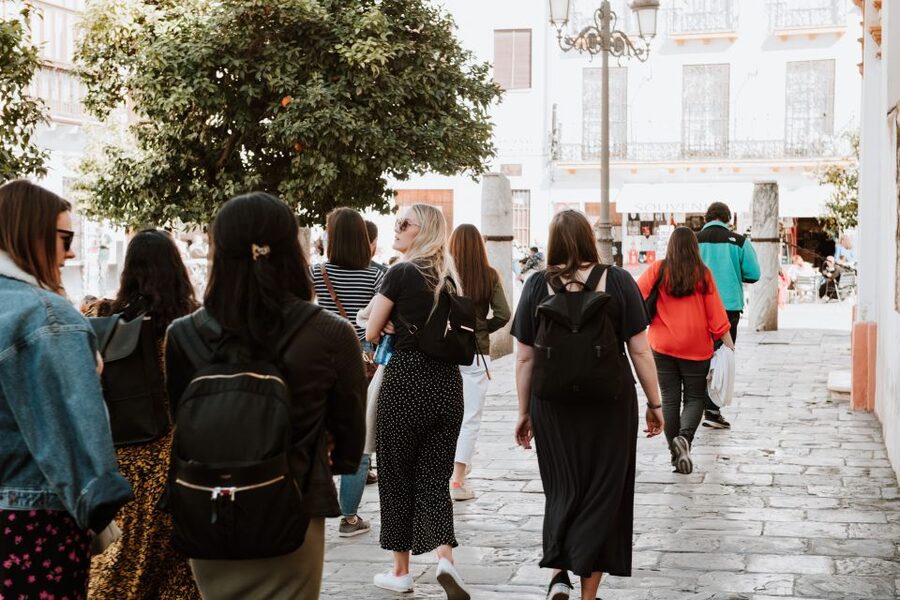
Next you’ll move to Plaza de la Alianza. This stop is one of those “pause and look around” moments where the guide helps you see how Seville’s Golden Age left fingerprints in the layout, the institutions, and the neighborhood identity.
Even if you don’t remember every historical detail, you’ll come away with a clearer sense of why Santa Cruz became such an important cultural zone. It’s not only about one community or one time period—it’s about overlap.
If you like structure in your free-wandering, this stop gives it to you. It’s brief, but it helps you connect the story you’ve just heard with where you’re walking next.
Plaza de Doña Elvira: where romance meets everyday life
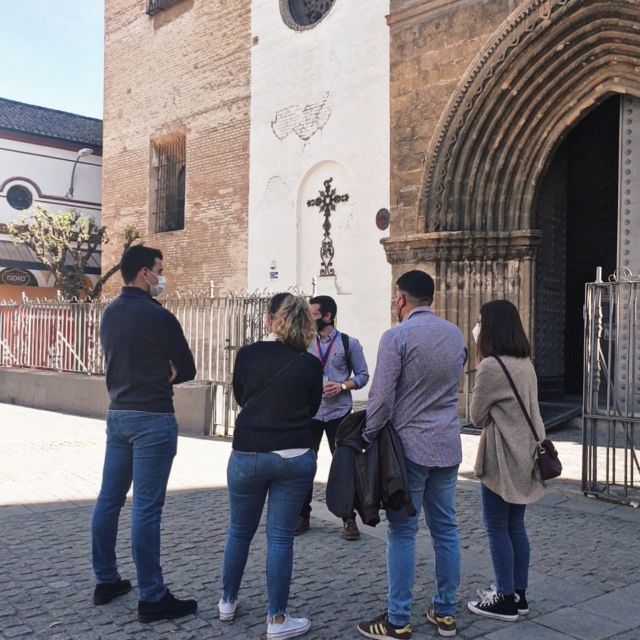
Plaza de Doña Elvira is the stop I’d use to describe why Santa Cruz feels so Seville. Orange trees, a calmer mood, and a sense of a place that locals return to again and again. It’s easy to see how legends would grow here, because the setting invites lingering.
The guide’s job at this point is to connect atmosphere to meaning. You’re not just admiring trees and stone—you’re learning why particular corners become associated with love, memory, and identity.
Practical tip: this is a great spot to slow your pace. If you’re taking photos, do it quickly and then watch for how people move through the square. It helps you understand the neighborhood flow, especially when you later hit tighter alleys.
Calle Susona: the legend you can walk on
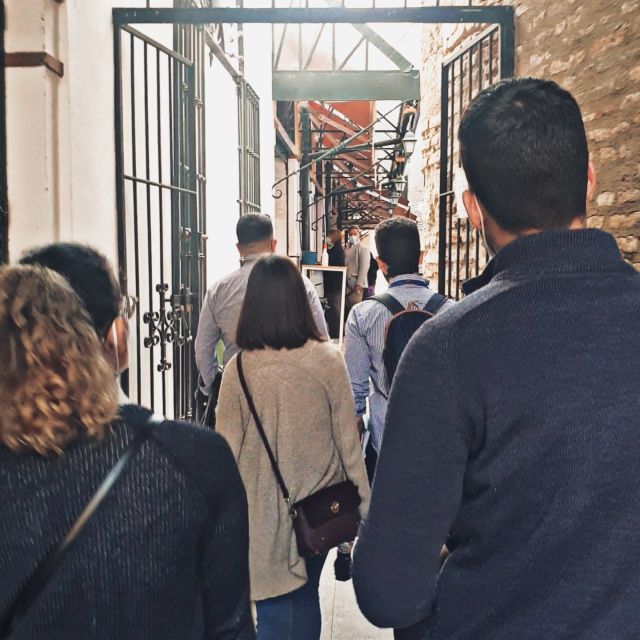
You’ll reach Calle Susona, one of the most direct ties between street names and the stories people keep repeating. The tour leans into the legend of Susona—a young Jewish woman caught between love, betrayal, and identity—so the street feels less like a label and more like a lived-in chapter.
What I appreciate is that the guide doesn’t treat the legend like a one-note ghost story. They use it to explain how Santa Cruz’s identity formed over centuries, through languages, communities, and shifting political realities.
This is also where you’ll likely notice how narrow the street network really is. The scale is part of the point: you’re walking through a place designed for closeness—neighbors seeing neighbors, stories traveling mouth to mouth.




Callejón del Agua: poetry, whispers, and the power of water
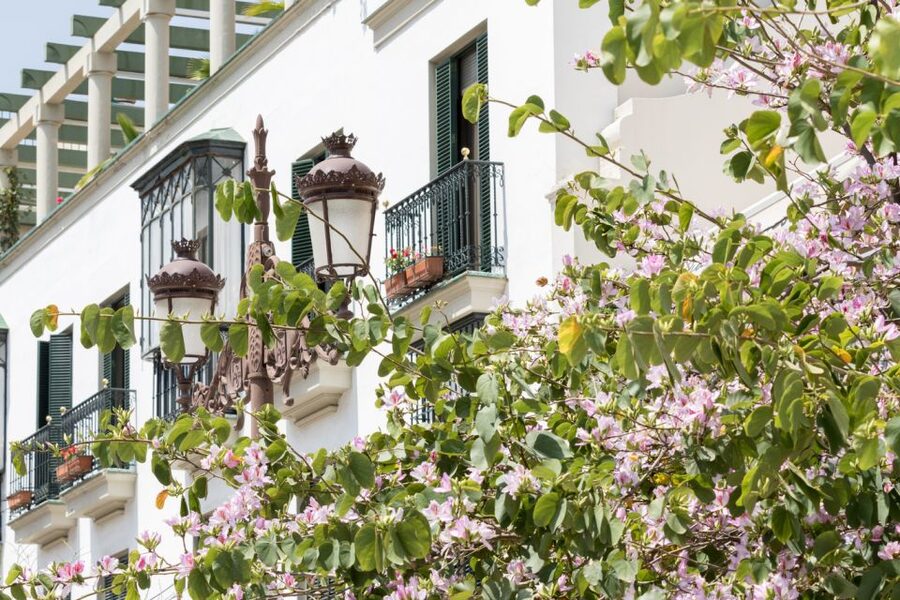
You may also pass through or stop near Callejón del Agua, known for its “poetry and whispers” echoing through the stone walls. Even when you don’t catch every word the first time, you get the idea: this alley feels like it holds sound.
Water is a big theme in Seville, not just for today’s fountains and patios but for how communities survived and grew. If your guide points out old water infrastructure or walls that are still in place, take that seriously—those details make the stories feel grounded rather than theatrical.
If you’re the kind of traveler who loves small engineering clues in historic towns, this is a strong moment. Keep your eyes open for how the alley channels people and how the architecture shapes airflow and sound.
Hospital de los Venerables: history with weight
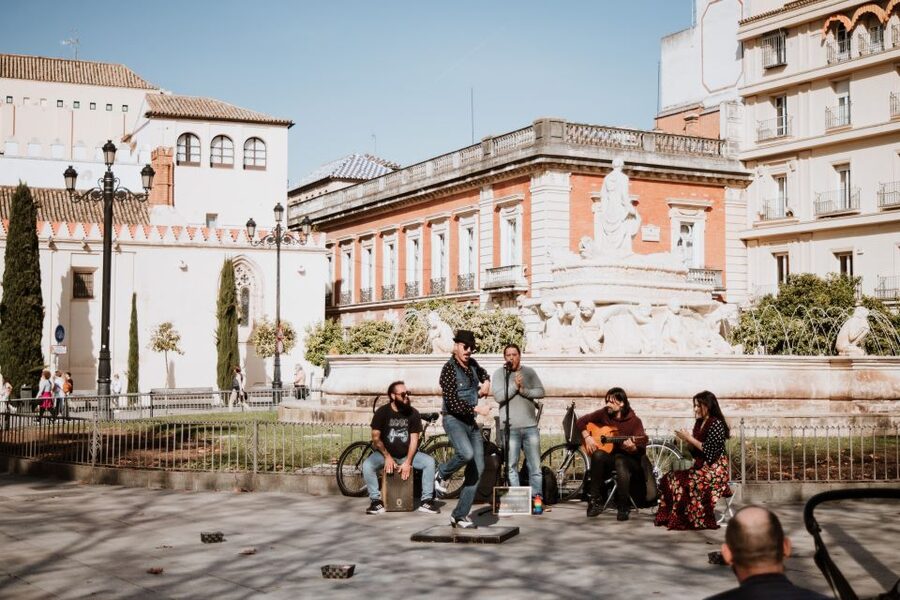
At Hospital de los Venerables, the tour shifts into a more formal, institutional chapter. This stop represents Seville’s Golden Age symbolism—power, religion, charity, and social structure all tangled together.
It can feel a bit different from the legend-heavy corners like Calle Susona. That’s not a negative. The balance helps you see Santa Cruz as a living system, not a stage set for folklore alone.
If you want the “why” behind Seville’s evolution, this is where you start building that mental map. It’s also a good moment to ask questions, because guides often connect this stop to the stories they’ve already told about identity, community roles, and how history changes what a neighborhood becomes.
Casa Murillo: courtyards and the city’s quiet theater
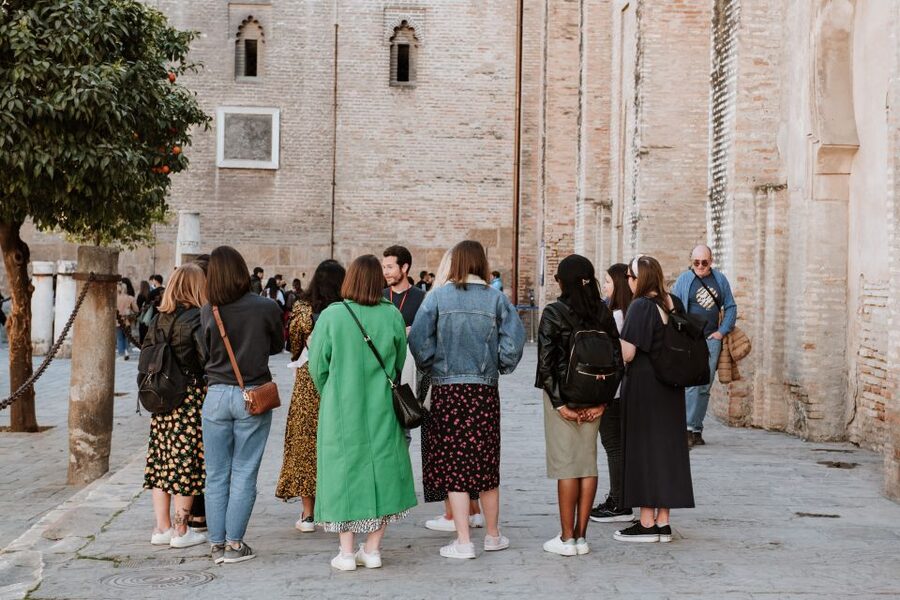
Casa Murillo is one of those stops that lets you enjoy Seville beyond big landmarks. The focus here is the feel of the place—particularly how courtyards and domestic spaces influenced daily life.
In Santa Cruz, patios aren’t decoration. They’re part of how people cooled down, stored water, socialized, and kept privacy. When you understand that, the courtyards stop feeling like pretty extras and start feeling like the heart of how a neighborhood functioned.
This is also a good place for a photo that isn’t just “look at the sky.” If your guide is pointing out fountains or patio details, follow their gaze. That’s where the story lives.
Rosina’s Balcony: a cinematic stop that still teaches
Rosina’s Balcony adds another dimension—story, performance, and the way Seville turned real characters and legends into art. The guide uses the balcony as a springboard into how these stories echo through culture, including the city’s connections to opera and drama.
This stop works well for people who think history should be interesting, not only accurate. A good guide makes it feel like you’re watching Seville’s storytelling traditions in action.
Also: balconies are great for perspective. When you look from street level up, you start to grasp why certain legends stick—people watched from above, heard from below, and turned moments into memory.
Calle Ópera Carmen and Patio de Banderas: finishing with cultural momentum
You’ll walk through areas like Calle Ópera Carmen, which connects the neighborhood’s past with the cultural world Seville projects outward. Then you end at Patio de Banderas, a fitting finish because it keeps the “courtyard Seville” mood going.
There’s also a short hop-on hop-off stop included along the route. Think of it as a quick orientation beat, not a full attraction. Your main takeaway is that the tour ends where you can keep moving easily through Seville’s historic center.
If you like to plan your day with momentum, this ending helps. You’re not finished standing in a random alley with no clear next step—you’re finished in a place that supports onward wandering.
Price and time: what $15 buys you in real terms
At $15 per person for a 1.5-hour guided walk, the value is all about what you get per minute. You’re paying for a local guide who can explain street names, legends, and why this neighborhood matters—plus point out courtyards, plazas, and corners you might not notice on your own.
Could you wander Santa Cruz without paying? Sure. But the tour saves you time and turns the maze into a guided experience with meaning. It’s the difference between walking through pretty streets and understanding why those streets carry Susona, Miguel Mañara, and the ghost of Barrabás.
This is also a format that works for short-stay visitors. If you only have part of a day, 1.5 hours is enough to add depth without eating your whole schedule.
What makes the guide part so important
This tour’s quality lives and dies with the guide’s storytelling. The guides who lead this walk include names like Juan, Julio, Alfredo, Valentin, Anna, Lara, and Jose. While each has their own style, the common thread is engagement: the tour keeps you asking questions.
Some guides also tie the neighborhood’s past to later cultural expressions. For example, you might hear how Santa Cruz connects to opera, and how old walls and water systems can still be detected through details in the built environment.
If you want a tour that feels human—humor, curiosity, and real conversation—this is a good match. And because the route includes multiple legend-driven stops, your guide’s ability to connect story to place matters a lot.
Who this tour suits best
I’d book this if you want:
- A short, guided introduction to Santa Cruz’s Jewish heritage and Seville folklore
- A walk with stories at every stop, not just a few highlighted attractions
- An easy way to see courtyards and plazas you could miss on your own
It’s also a smart choice if you like history but don’t want long museum time. The tour is outdoor, moving, and focused—history you can walk with.
A note on comfort: shoes, sun, and the pace
Santa Cruz streets mean comfortable shoes are non-negotiable. The ground can be uneven, and the tour is packed with stops close together.
Seville’s sun can be intense, so sunblock is a practical move. You’ll get shade in patios and plazas at times, but you should still plan for bright weather.
Finally, remember the tour is 1.5 hours. If you love slow travel, pair this with extra unstructured time afterward so you can linger where you felt pulled in.
Should you book this Santa Cruz Jewish Quarter walking tour?
If you want Santa Cruz with context, yes—book it. This is the kind of guided walk that helps you read the neighborhood like a story: Susona’s legend in the street name, plazas that feel romantic for a reason, and folkloric characters like Barrabás that keep Seville’s past from turning into a textbook.
I’d skip it only if you’re not interested in stories at all, or if you need a long, sit-down tour with lots of quiet breaks. Otherwise, for the price and time, it’s a strong way to get real texture from Seville’s most emblematic historic center.
FAQ
How long is the Seville Jewish Quarter walking tour?
The tour lasts 1.5 hours.
What does the tour cost?
It costs $15 per person.
Where do I meet the guide?
Meet in Plaza del Triunfo under the Virgen de la Inmaculada statue. The guide will be holding a blue umbrella or wearing a nametag with the Sevilla Guías & Tours logo.
What languages are available?
The guided tour is offered in Spanish or English.
What is included in the price?
You get the guided walking tour in English or Spanish. An optional flamenco show may be available—ask the guide at the meeting point or contact in advance to check availability.
Is food or drinks included?
No. Food and drinks are not included.
Is the tour accessible for wheelchair users?
Yes, it is listed as wheelchair accessible.
Is it refundable if my plans change?
You can cancel up to 24 hours in advance for a full refund.
Can I reserve now and pay later?
Yes, you can reserve now and pay later to keep plans flexible.