REVIEW · LOS ANGELES
LA: San Francisco, Yosemite, Santa Barbara & Carmel, 3-Days
Book on Viator →Operated by Empire Vacations · Bookable on Viator
California in a suitcase-size itinerary.
This 3-day, 2-night coast-to-coast style tour strings together Los Angeles, Santa Barbara, Solvang, Carmel/Monterey, San Francisco, and then either Yosemite (summer) or another seasonal highlight (winter). You get a real guide up front, so you spend your energy looking out the window and asking questions, not figuring out routes.
What I like most is how the big-name moments are built in without long guesswork. You’ll get a San Francisco Bay cruise that loops around Alcatraz and passes under the Golden Gate area, plus you’re on the road for the classic coastline drive with multiple stop points. The guidance also matters on days like San Francisco, where it’s easy to miss why Lombard Street, Chinatown, and Twin Peaks matter unless someone walks you through them.
One drawback: it’s a fast pace. You’ll be on the van or bus a lot, and some departures have had vehicle issues that can snowball into delays, plus there isn’t a lot of slack if you want unhurried time in every stop.
In This Review
- Key Takeaways Before You Go
- Getting Out of Los Angeles Fast (Without the Headache)
- Santa Barbara Mission Day: Missions, Promenades, and a Real Coastal Break
- Solvang: Danish Architecture and the Easiest Break of Your Trip
- Carmel and Monterey: Coastal Towns That Don’t Feel Like the Same Place
- San Francisco in One Day: The Cruise, the Views, and the Neighborhoods
- The Bay Cruise and Alcatraz Loop
- Twin Peaks and Chinatown
- A quick reality check
- Day Three Options: Yosemite Valley Viewpoints (Summer) or Winter Coastal Swaps
- If You Go in Summer: Yosemite National Park
- If You Go in Winter: Monterey/Carmel Time, and Sometimes Hearst Castle
- Transportation, Seats, and the Real-Life Comfort Factor
- Hotels and Timing: Two Nights That Make the Route Work
- Price and Value: Why $620 Can Work or Not
- Sustainability Detail That’s Actually Simple
- Who This Tour Fits Best
- Should You Book This 3-Day California Coast Tour?
- FAQ
- Where do we meet for this tour?
- Do we get Wi-Fi during the trip?
- What language is the tour offered in?
- What’s included in the price?
- Is Yosemite included all year?
- What vehicle will we ride in?
- How much luggage can I bring?
- How long is the tour and when do we return to Los Angeles?
Key Takeaways Before You Go

- Yosemite vs. winter swap: Day three changes by season, with Yosemite in April–October and winter routing shifting to other major stops.
- San Francisco by cruise + walking: Fisherman’s Wharf area cruise plus neighborhoods like Chinatown and a view from Twin Peaks.
- Stops that match the scenery: Missions, Danish architecture in Solvang, coastal towns like Carmel, and major Yosemite viewpoints.
- Guide-led timing: You don’t have to navigate, but expect a schedule that moves.
- Small-group feel, big-coach reality: Up to about 50 travelers, with vans sometimes substituted on smaller departures.
- You’ll live with the bus: Luggage is limited, Wi-Fi is bus-only, and “rest time” often means quick breaks.
Getting Out of Los Angeles Fast (Without the Headache)
You start either at the Los Angeles Farmers Market or the Four Points by Sheraton in Culver City. Then the tour rolls out of the grid and turns the day into a road trip, not a series of separate tickets and transfers.
This is one of the practical reasons to do a guided multi-day route like this: you’re not piecing together rides while your “vacation brain” is still waking up. I also like that you’re told what to watch for and where the best moments happen, so you get more out of each stop.
The tradeoff is obvious: you’re trading flexibility for efficiency. If you want to linger in Santa Barbara for hours after the rest of the group moves on, this format may feel limiting.
You can also read our reviews of more tours and experiences in Los Angeles.
Santa Barbara Mission Day: Missions, Promenades, and a Real Coastal Break
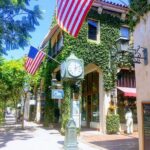
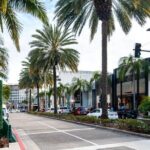
Your first real stop is Old Mission Santa Barbara. This mission stop is short but useful because it gives you context for the rest of the region. You’re not just snapping photos of stucco walls; you’re understanding why these religious outposts mattered for settlement patterns in California.
Then the route changes slightly by season. In summer, you’re set up for the coastal drive onward, with the mission as the early anchor. In winter, you get more time centered on downtown area vibes before returning to the mission viewpoint later, which can feel more balanced if the weather is cooler and you want more town time.
Either way, Santa Barbara is a good “reset” location. It’s scenic without being too remote, so it’s a strong start before the tour switches gears into smaller coastal towns.
Solvang: Danish Architecture and the Easiest Break of Your Trip
Solvang is where the tour does something surprisingly smart for a California highlights run: it gives you a cultural detour that doesn’t feel like a chore. You’ll spend time at the Solvang Visitor Center (in summer) or in Solvang’s town area (in winter), and the point is to stroll and browse.
What makes it work on a tour like this is that it’s built for walking. You can duck into Danish-style shops and bakeries at your own rhythm without needing a strict plan. If you’ve been stuck in big-city sightseeing mode for a day, this stop can feel like a palate cleanser.
Downside to keep in mind: it’s popular, and your time is limited. If your main goal is a long lunch, plan to bring patience (or choose a quicker bite and save the slow meal for later).
Carmel and Monterey: Coastal Towns That Don’t Feel Like the Same Place
After Solvang, the tour heads toward Carmel-by-the-Sea and the Monterey area. In summer routing, you’ll see stops like Cannery Row and Carmel. In winter routing, you may start with a Monterey tour that includes Cannery Row, then continue to Carmel.
Carmel-by-the-Sea is one of those towns where the streets, shops, and sea air make the place feel distinct fast. This is also a tour stop where you’ll want to manage expectations: you’ll likely have enough time to enjoy the vibe, but not enough to do every side street and museum.
There’s also an important note for scenic-drive lovers. You’ll experience either the 17-Mile Drive portion or an equivalent scenic-coast drive along Route 1 depending on the day and vehicle size. Some departures include more “big view” moments than others, so if you care deeply about specific lookout points, build in flexibility.
San Francisco in One Day: The Cruise, the Views, and the Neighborhoods
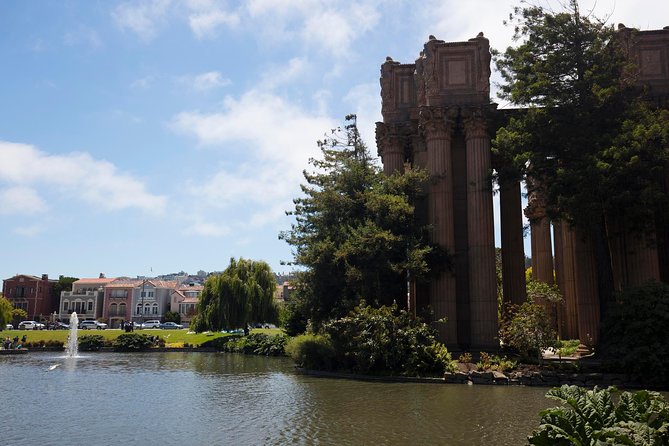
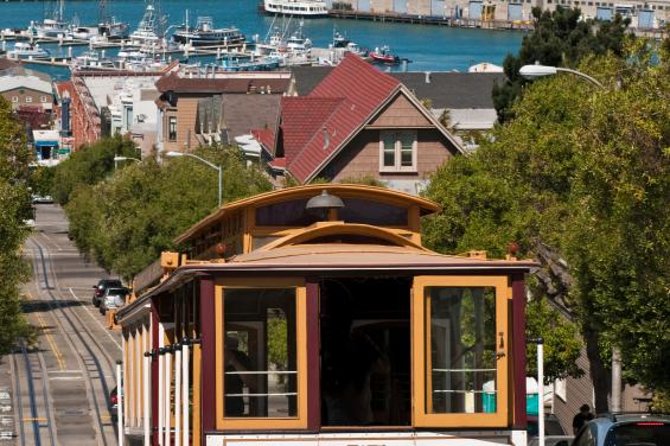
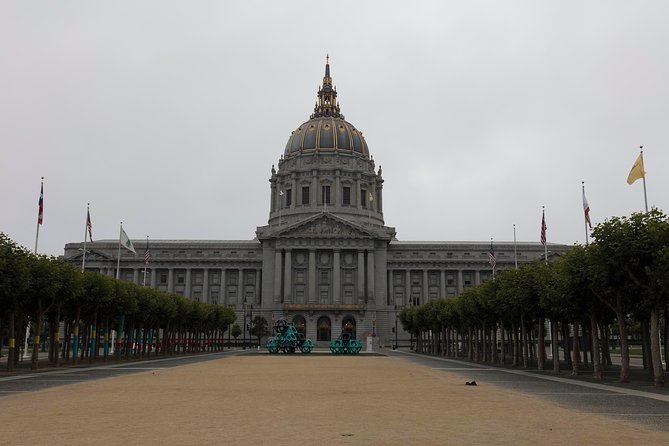
Day two is your San Francisco day, and it’s packed in a way that can actually work if you go in with the right mindset. You’ll start around City Hall and Lombard Street, then head to the Fisherman’s Wharf area for a cruise.

The Bay Cruise and Alcatraz Loop
This is the anchor experience. You’ll go out on the water and circle around Alcatraz, while also cruising in the Golden Gate Bridge area. Even if you’ve seen photos before, the water gives everything scale. It’s also a great way to see the city with less walking than a full-day on foot.
Twin Peaks and Chinatown
Next you’ll move through classic neighborhoods and viewpoints: Twin Peaks gives you one of the best city views, and Chinatown is the kind of place where short time can still feel satisfying. You’ll get a guided walk that helps you understand what you’re seeing instead of treating it like a photo scavenger hunt.
If you’re sensitive to weather, keep an eye on it here. Twin Peaks can be cooler or foggier than downtown, and you’ll want a layer that packs small.
A quick reality check
You’ll be out and moving from morning into the afternoon/evening. The tour is designed so you don’t have to plan trains, parking, or transfers. If you hate time pressure, this part may feel busy.
But if you like structure, it’s efficient. And in the better-guided versions of this itinerary, guides like Dorit, Giovanni, Roberto, and Brenda have been singled out for making stops make sense instead of feeling like rushing from one landmark to the next.
Day Three Options: Yosemite Valley Viewpoints (Summer) or Winter Coastal Swaps
Day three is the part that changes by season.
If You Go in Summer: Yosemite National Park
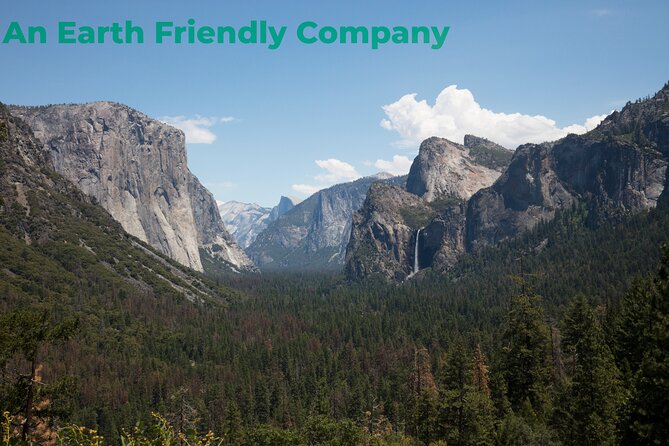
In summer (April–October), the tour enters Yosemite and focuses on high-impact spots.
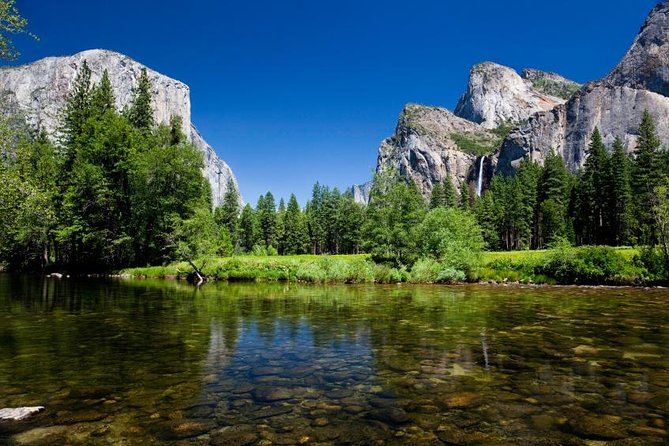
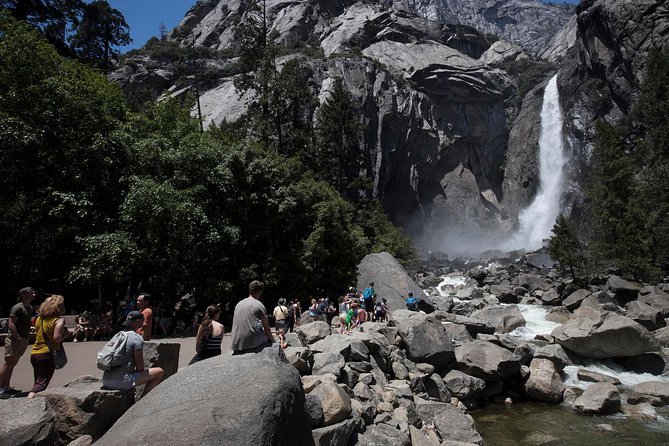
- Yosemite Valley gives you the classic trio-and-more: El Capitan, Bridal-Veil Falls, and Half Dome viewpoints. This is the kind of stop where just one photo angle won’t do the job; the guide helps you know what you’re looking at and when to pause.
- Yosemite Falls is your later walk option. It’s one of the highest waterfall experiences in North America, and it’s a nice way to end the park portion with something that feels fresh rather than just granite and overlooks.
You’ll want moderate fitness for these walks. You don’t need to be a marathoner, but comfortable walking and standing for a while helps.
If You Go in Winter: Monterey/Carmel Time, and Sometimes Hearst Castle
In winter routing, the day shifts away from Yosemite. Instead of Yosemite, the tour can continue toward other major coastal highlights, including Hearst Castle for trips after November 1. Other winter routing includes a stronger Monterey/Cannery Row start and time in Carmel, plus scenic drive options like the 17-Mile segment.
This seasonal structure is valuable if you’re flexible. Yosemite can be a top priority in summer, but winter still gives you coast-focused drama and town time.
Transportation, Seats, and the Real-Life Comfort Factor
This tour runs with either a 15-passenger van or a full-sized bus, depending on group size. In larger groups, the bus experience usually means more room. In smaller-van departures, you may find seating tight—one past group noted that some people had to struggle with space until a seat rotation suggestion helped.
Luggage is limited to one piece plus a small carry-on per person. That’s reasonable for a road trip, but if you’re a “pack for all weather” type, try to travel lighter.
Wi-Fi is available on full-size coaches only, and it’s not built for streaming. So download maps or playlists before you board, and treat Wi-Fi as “nice to have,” not the main service.
Hotels and Timing: Two Nights That Make the Route Work
You get 2-night hotel accommodation including tax and continental breakfast. The biggest point here is: the hotels are there to make the circuit possible, not to be part of your vacation fantasy.
Some departures have received solid feedback about hotels being acceptable and comfortable. Other departures have been criticized for being very basic or lacking service, and at least one guest mentioned issues like no elevator or renovations limiting breakfast seating.
Also expect a late-ish day sometimes. The tour is scheduled to end back in Los Angeles around 7–8 pm, returning to the original departure point.
Because some people have experienced vehicle problems on certain days, it’s wise to arrive with a “buffer mindset.” If you have a tight next-day plan in Los Angeles, plan a little slack.
Price and Value: Why $620 Can Work or Not
At $620 per person, you’re paying for a bundle: guided sightseeing across multiple cities, transportation for the long intercity drives, 2 nights of lodging, continental breakfasts, and signature inclusions like the San Francisco bay cruise. In summer departures, Yosemite park entrance is included too.
That can be good value if you factor in what it costs to do all of this yourself: a guide, a multi-day car or shuttle plan, and the logistics of hopping between far apart stops without wasting time.
Where the value equation can wobble is if you personally don’t like “time-boxed” sightseeing. This itinerary gives you a strong overview, but it does not behave like a slow travel vacation. If your dream is long meals, relaxed museum time, and zero schedule pressure, you might feel like you spend too much time in transit.
Sustainability Detail That’s Actually Simple
The operator partners with One Tree Planted. The idea is one tree planted per passenger, with an extra tree for people booking multiple trips. It’s a small line item, but it’s nice to see something concrete attached to the trip rather than generic eco talk.
Who This Tour Fits Best
This is a smart fit if:
- You want a fast, guided way to see major California highlights without navigation headaches.
- You’re fine with a packed schedule and prefer structure over free-form wandering.
- You’re traveling solo or in a small group and don’t want to rent a car for a multi-stop route.
It’s a questionable fit if:
- You get cranky after long coach hours.
- You need lots of time at each stop to feel satisfied.
- You’re risk-sensitive about delays. Vehicle breakdowns have shown up in some accounts, and when that happens, the itinerary can get compressed fast.
Should You Book This 3-Day California Coast Tour?
If your goal is to cover big destinations efficiently—Mission Santa Barbara, Solvang, Carmel/Monterey, San Francisco’s cruise-and-city highlights, plus Yosemite in summer—this tour can be a satisfying way to do it. The biggest upside is how the day is held together by a guide, with major photo moments and low-stress logistics.
If you hate rushing, or if you’re hoping for deep time in a single place, you’ll likely want a longer stay format instead. My advice: book it if you’re excited by highlights and okay with bus time. Skip it if your travel style needs breathing room at every stop.
If you want, tell me your month of travel and what you care about most (Yosemite vs coastal towns vs food stops), and I’ll help you decide which seasonal version is the better match.
FAQ
Where do we meet for this tour?
You meet at either the Los Angeles Farmers Market or the Four Points by Sheraton in Culver City. Hotel pickup is not available.
Do we get Wi-Fi during the trip?
Wi-Fi is available on full-size coaches only. It is not intended for streaming services.
What language is the tour offered in?
The tour is offered in English, and it can also run in other languages (including Italian, Spanish, Portuguese, French, German, Hebrew, Japanese, and Chinese) depending on what you request at booking.
What’s included in the price?
Included items are a professional tour guide, transportation, sightseeing in Santa Barbara, Carmel, and San Francisco, 2-night hotel accommodations with continental breakfast, and a San Francisco bay cruise. In summer, Yosemite park entrance is included.
Is Yosemite included all year?
Yosemite park entrance is included for summer departures from April–October.
What vehicle will we ride in?
You’ll ride in either a 15-passenger van or a full-sized bus, depending on group size.
How much luggage can I bring?
You can bring one piece of luggage plus a small carry-on per person.
How long is the tour and when do we return to Los Angeles?
The tour lasts about 3 days and returns to the original departure point between 7:00 and 8:00 pm (estimated; timing can vary).