REVIEW · WILLIAMSBURG
Guided Colonial Christmas Tour in Williamsburg
Book on Viator →Operated by Spooks and Legends Haunted Ghost Tours, LLC · Bookable on Viator
A candle, a story, and a time machine. This guided Colonial Williamsburg Christmas tour turns the historic district into a walking timeline, mixing past holiday customs with what feels familiar today. You also get a Christmas candle to help set the mood as the guide shares seasonal traditions and decorations from long ago.
What I like most is the guide’s approach: Tom (a proud Williamsburg resident and historian) keeps things organized and interactive, with light, personal storytelling along with real historical detail. You’ll also see major landmarks along the route, including Bruton Parish Episcopal Church and the Capitol Building, while stopping to hear how colonists celebrated at home and in church.
One thing to consider: this is a holiday-themed history walk, not a full-on “Christmas show” with wall-to-wall seasonal decor. If you’re hoping for lots of visible decorations, your experience may depend on when you visit—Colonial Williamsburg typically decorates starting the weekend after Thanksgiving.
In This Review
- Key highlights you should know
- Walking Williamsburg at Christmastime, without the usual museum vibe
- Value check: $25 for a 90-minute small-group holiday history
- Meeting on Blair Street: what the start tells you about the tour
- Tom in character: why the guide can make or break a holiday tour
- Colonial homes and holiday tales: the Geddy House, Tucker House, and Palmer home
- Church traditions at Bruton Parish Episcopal Church
- Capitol Building views and how colonists fit the season into civic life
- Candle in hand: how to enjoy it on a winter evening
- Decor expectations: why you might see less than the photos
- The tour’s true sweet spot: who it’s for
- Should you book the Guided Colonial Christmas Tour in Williamsburg?
- FAQ
- How long is the Guided Colonial Christmas Tour in Williamsburg?
- What does the tour cost?
- Where do I meet for the tour?
- Does the tour end where it starts?
- Do you get a Christmas candle on the tour?
- What highlights can you see during the tour?
- How big is the group?
- Is the ticket mobile?
- Are service animals allowed and is it near public transportation?
- What happens if the weather is poor?
Key highlights you should know
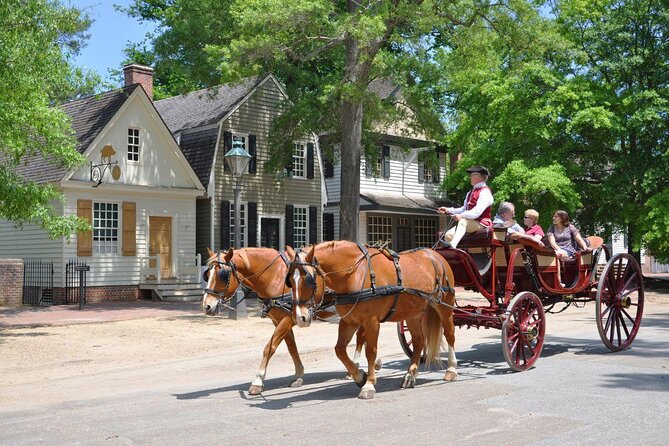
- Small group feel (up to 35 people) for a more conversational walk
- Costumed guide who brings colonial holiday traditions to life
- Candle for every tour goer, handed out during the tour
- Stops tied to real places, including the Geddy House, St. George Tucker House, and the Palmer home
- Church-focused storytelling, including Christmas traditions tied to church life
- Weather-dependent timing, since good weather is required
Walking Williamsburg at Christmastime, without the usual museum vibe
If you’ve ever felt like visiting a historic town is mostly “read this sign, move to the next building,” this tour is a useful change of pace. Instead of treating Colonial Williamsburg like a static display, you get guided holiday storytelling that makes the buildings feel more like homes and workplaces.
The best part is the tone. The tour isn’t cold or academic. It’s the kind of history that uses the season as a guide. The guide weaves holiday traditions and decorations across centuries—so you’re not only seeing what the town looks like, you’re learning how people may have thought about the holidays.
This also helps you see the district with less guesswork. When you’re walking on your own, you can miss what mattered most. On this tour, the holiday lens makes it easier to connect details to everyday life in the 1700s.
You can also read our reviews of more tours and experiences in Williamsburg.
Value check: $25 for a 90-minute small-group holiday history
At $25 per person, you’re paying for three things that add up fast: a guided route, a themed explanation, and the candle experience. For a 90-minute walk, that’s reasonable—especially if you plan to do other activities in Colonial Williamsburg afterward and want your bearings covered first.
You’re not buying a “ticket into a building” as much as you’re buying time with a storyteller. And the small-group limit (up to 35 travelers) matters. Even when groups are larger, it’s easier to hear answers and feel part of the pace when the tour doesn’t balloon.
If you like tours where the guide talks like a person—not a lecture—this format can feel like a good deal. If you’re expecting this to be a full set of Christmas sights with extensive seasonal installations, you may feel less satisfied, since the focus stays on tradition and history.
Meeting on Blair Street: what the start tells you about the tour
Your tour starts at Blair Street & East Duke of Gloucester Street and ends back at the same meeting point. That matters more than it sounds. You’re not stuck trying to figure out how to get back through the historic streets at night.
You’ll receive a mobile ticket, and confirmation comes at booking. The tour is described as accessible for most travelers, and service animals are allowed. It also notes it’s near public transportation, which is handy if you don’t want to worry about parking timing.
Finally, the guide dresses in an authentic costume and hands out a candle to each participant. Those details signal that the experience is built around atmosphere. It’s not just facts; it’s also mood and timing.
Tom in character: why the guide can make or break a holiday tour
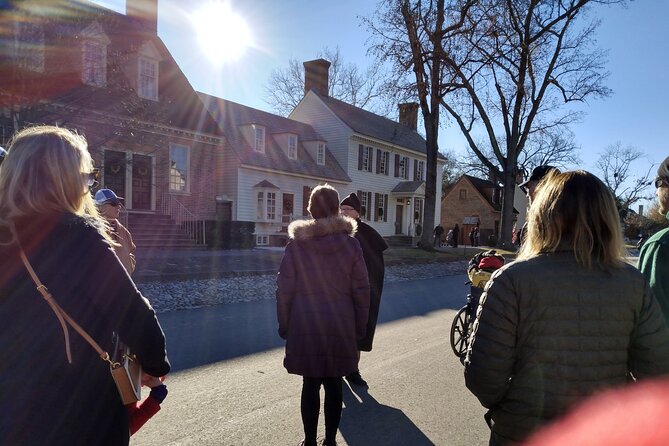
The tour’s quality heavily depends on the guide, and this one has a standout: Tom. Multiple people specifically highlight that Tom is prompt, friendly, and very engaging with the group. He also brings a personal perspective from living in Williamsburg, and that blend of resident pride plus historian’s focus tends to land well.
What I’d take from that for your planning: you should arrive ready to listen and walk at a conversational pace. This tour isn’t “silent archaeology.” It’s a guided storytelling route where the guide’s energy helps you notice details you might otherwise gloss over.
Also, the guide’s costume and the candle aren’t gimmicks. They create a reason to slow down and pay attention. In a historic district, that kind of pacing can make the difference between seeing buildings and understanding why they mattered.
Colonial homes and holiday tales: the Geddy House, Tucker House, and Palmer home
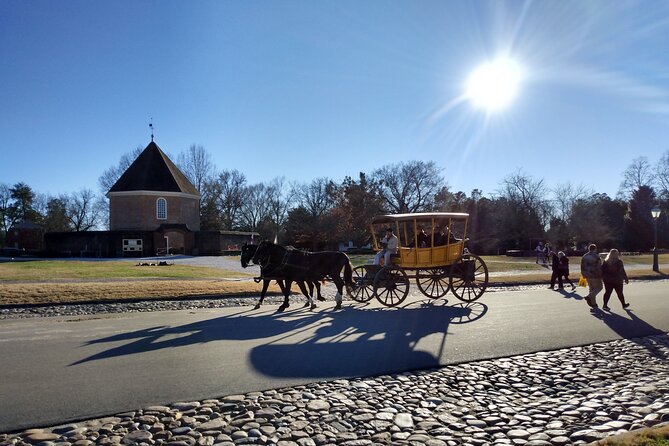
The first stop is where the tour starts doing its best work: walking the historic area while connecting holiday traditions to the homes and spaces people actually lived in.
You’ll hear about holiday traditions across centuries, with the guide pointing out how homes looked and how holiday life may have unfolded in an earlier era. The tour specifically mentions places like the Geddy House, St. George Tucker House, and the Palmer home, along with other historic spots along the way.
This is a strong approach because it turns “Christmas in Williamsburg” into “how people lived and celebrated.” Even if you don’t memorize every name, you come away with a clearer sense of what holiday meant in a colonial household—festivities, customs, and the social habits that shaped the season.
One bonus angle included here is the reference to how pirates celebrated Christmas. That kind of story adds surprise, and it helps the tour feel less like a checklist and more like a guided conversation through the town.
Church traditions at Bruton Parish Episcopal Church
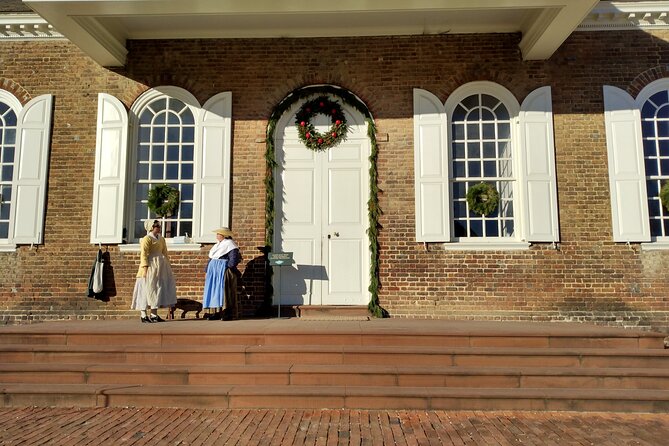
Another key highlight is the Bruton Parish Episcopal Church. The tour includes time for the Christmas traditions tied to church life, so you’re not only hearing about what people did at home.
Religious observance shaped holiday schedules, community gatherings, and social expectations in many historic communities. So when you hear traditions connected to church life, it gives the season structure. Instead of Christmas being only decorations and parties, you see it as something built into community routines.
The candle detail also fits this part of the experience. A candle is easier to imagine in a church-adjacent story than it is in a purely residential neighborhood. If you’re sensitive to “feels vs. facts,” this stop often lands well because the guide uses the season to connect behavior to setting.
Capitol Building views and how colonists fit the season into civic life
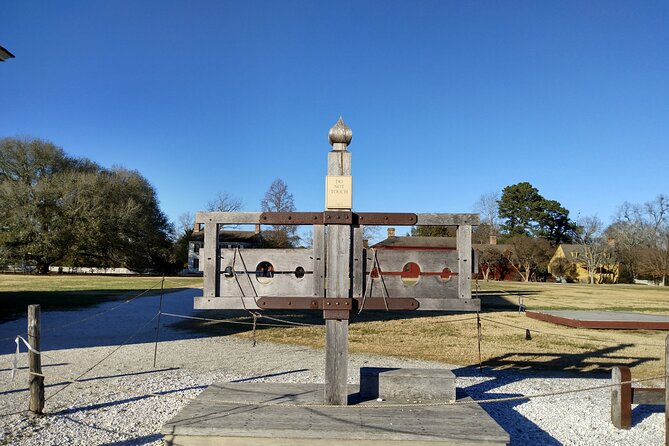
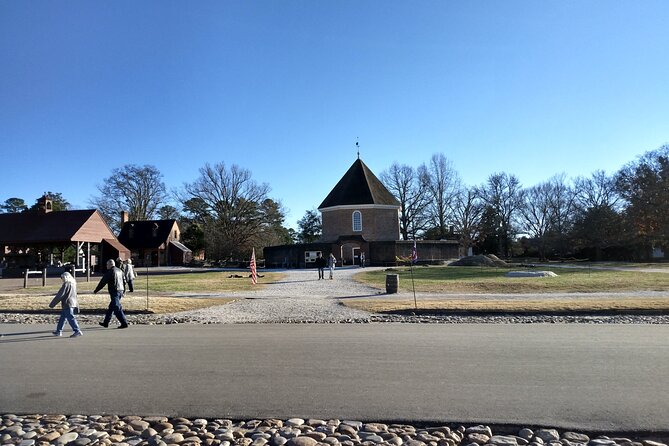
The tour also includes a look at the Capitol Building as one of the highlights. That doesn’t mean you’ll turn into a politics tour, but it helps you understand that Christmas traditions weren’t isolated inside homes only.
When you visit historic capitals or government spaces in a themed tour, you get a useful reminder: the holidays existed inside everyday systems—rules, community leadership, and public life. In a place like Williamsburg, even the civic story overlaps with the seasonal story, because the town was a whole network.
This part of the tour tends to work best if you enjoy connections. You don’t just ask what Christmas was like; you also ask how the town functioned around it.
Candle in hand: how to enjoy it on a winter evening
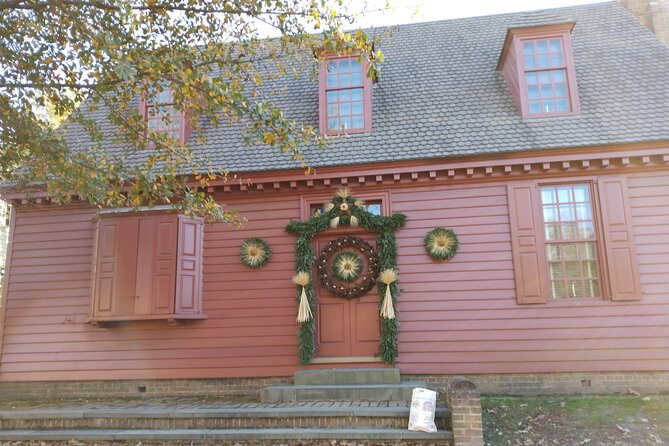
You’ll receive a Christmas candle during the tour. The big value here is not just the photo. It’s how the candle helps you focus while walking through dark or dim streets.
Practical tip: wear layers and gloves if the weather is chilly. Even short walks feel longer when you’re also holding something that you don’t want to spill. If the candle is lit during the tour, keep your grip steady and avoid jostling in crowded areas.
If you prefer a low-mess experience, consider that the tour is outdoors for much of the time. You’ll want to plan like you’re walking in historic streets in winter—because you are.
Decor expectations: why you might see less than the photos
Here’s the honest heads-up. Some people have been disappointed because they expected more visible Christmas decorations.
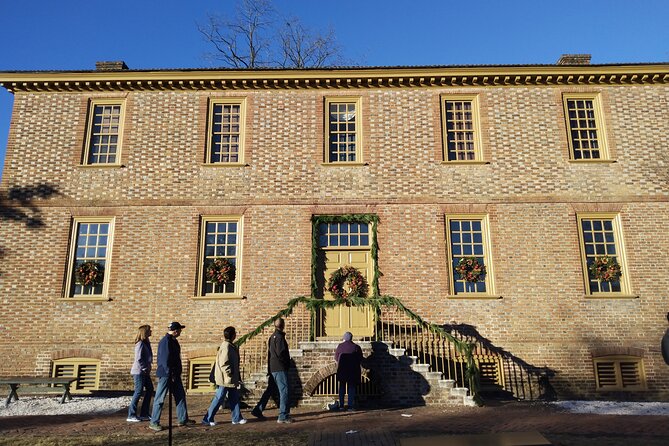
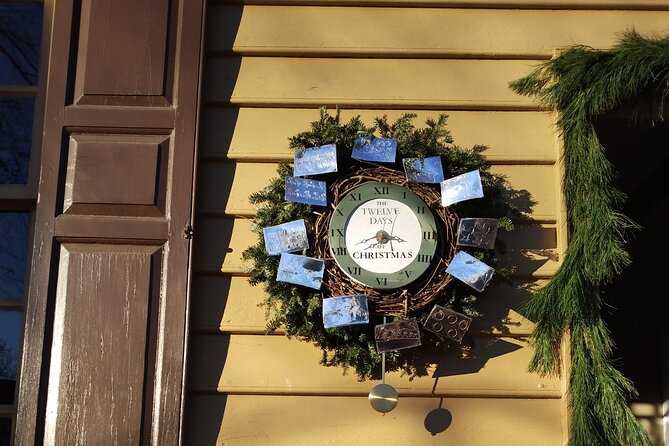
A helpful detail to know: Colonial Williamsburg typically decorates starting the weekend after Thanksgiving. So if your visit falls earlier than that seasonal decorating window, you might end up with a tour that’s heavy on traditions and stories, but lighter on actual visual decor.
That doesn’t make the tour bad. It just changes what you’re buying. If you come for a guided holiday history experience, you’ll likely enjoy it even if the streets look less “Christmas-ready” than you hoped. If you come specifically hunting for big decorative displays, build in flexibility.
The tour’s true sweet spot: who it’s for
This guided Christmas tour is a good match if you:
- want a guided way to see Williamsburg without needing to research every building first
- enjoy storytelling that blends holiday customs with everyday colonial life
- like small-group tours where the guide can actually interact
- plan to spend multiple hours in the area and want your first stop to be meaningful
It’s also a good fit if you love guided experiences that feel like a conversation. The way Tom is described—prompt, friendly, and entertaining—suggests you’ll get more than a list of facts.
If you’re the type who wants a tour to function like a Christmas lights walk with lots of decor, you might feel underwhelmed. Think of it as holiday history with a seasonal atmosphere, not a full seasonal production.
Should you book the Guided Colonial Christmas Tour in Williamsburg?
If your goal is to understand how Christmas traditions worked in colonial times—how people celebrated at home, what church life contributed, and how the town’s landmarks fit into the season—then yes, I’d book it. The combination of a costumed guide, a candle for every participant, a 90-minute run time, and a small-group cap makes it a solid use of time in Williamsburg.
The decision hinges on your expectations for decorations. If you’re flexible and you love stories, you’ll probably leave with a clearer sense of the holiday past, plus a few surprising details (including the pirate Christmas angle). If you need lots of visible seasonal decor to feel satisfied, check your travel dates around the typical decorating weekend and be prepared for a more tradition-focused experience.
FAQ
How long is the Guided Colonial Christmas Tour in Williamsburg?
The tour lasts about 1 hour 30 minutes.
What does the tour cost?
It costs $25.00 per person.
Where do I meet for the tour?
The meeting point is at Blair Street & East Duke of Gloucester Street, Williamsburg, VA 23185.
Does the tour end where it starts?
Yes, the activity ends back at the meeting point.
Do you get a Christmas candle on the tour?
Yes. Each tour goer gets a Christmas candle.
What highlights can you see during the tour?
You can see highlights including Bruton Parish Episcopal Church and the Capitol Building, along with historic homes such as the Geddy House, St. George Tucker House, and the Palmer home.
How big is the group?
The tour has a maximum of 35 travelers.
Is the ticket mobile?
Yes, the tour uses a mobile ticket.
Are service animals allowed and is it near public transportation?
Service animals are allowed, and it is near public transportation.
What happens if the weather is poor?
The experience requires good weather. If it’s canceled due to poor weather, you’ll be offered a different date or a full refund.