REVIEW · WILLIAMSBURG
Christmas on the Homefront: A 1-Hour World War II Character Tour
Book on Viator →Operated by Shades of Our Past · Bookable on Viator
A 1940s Christmas walk through Williamsburg feels personal. This 1-hour World War II character tour focuses on what the Homefront was doing—housing troops, keeping morale up, and changing daily life when the war was in everyone’s business. I like the attention to historical accuracy and the way your guide connects each stop to real wartime roles and routines. One thing to consider: several key locations may have admission tickets not included, so plan for that and don’t count on every stop being free.
You’ll move at a walking pace between several landmark spots in Colonial Williamsburg, starting at Bruton Parish Episcopal Church and ending near the Wren Building at William & Mary. Since the tour is a private experience for just your group and runs about an hour, it’s a good fit when you want meaning fast without a full day commitment. The only real downside is weather: the experience requires good weather, so you’ll want flexible plans.
In This Review
- Key things to know before you go
- A 1-hour WWII Christmas walk through Williamsburg’s core
- Bruton Parish Episcopal Church: when churches spotted aircraft and hosted troops
- George Wythe House and the Colonial Williamsburg Foundation’s wartime mission
- Custis Tenement area: segregation, community contributions, and Lena Richards at Travis House
- Governor’s Palace: holiday pressure, wartime realities, and lights out
- Merchants Square: entertainment for soldiers, including movies and the USO
- Wren Building: William & Mary’s wartime role for spouses, fund drives, and USO junior hostesses
- A replica WWII Christmas card to the troops: the souvenir with a job
- Price and value: what the included hour covers
- Tips to make the most of the tour in winter Williamsburg
- Who should book Christmas on the Homefront?
- Should you book this tour?
- FAQ
- How long is the Christmas on the Homefront: A 1-Hour World War II Character Tour?
- Where does the tour start and end?
- What language is the tour offered in?
- Is this a private tour?
- Are admission tickets included for the stops?
- What happens if weather is bad?
Key things to know before you go
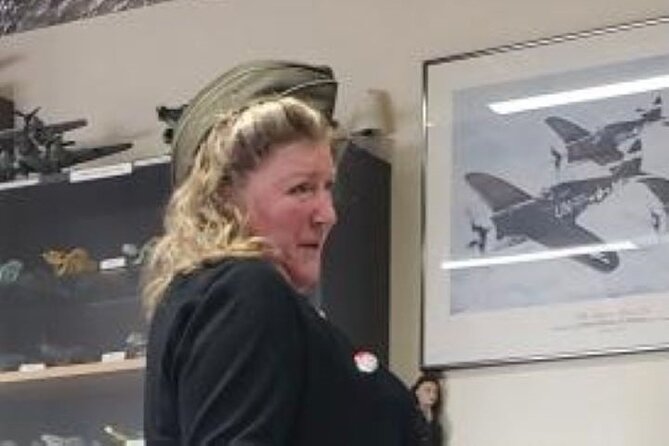
- Private group, character-led storytelling: it’s just your group, not a big open crowd.
- Six wartime stops in about an hour: short time at each location, with your guide steering the story.
- Churches, palaces, and schools all had wartime jobs: you’ll see the war touched everyday institutions.
- Segregation is directly addressed: including the African American community’s contributions during the war.
- A replica WWII Christmas card is included: it’s a small souvenir with a clear purpose.
- Some admission may cost extra: several stops note tickets are not included.
A 1-hour WWII Christmas walk through Williamsburg’s core
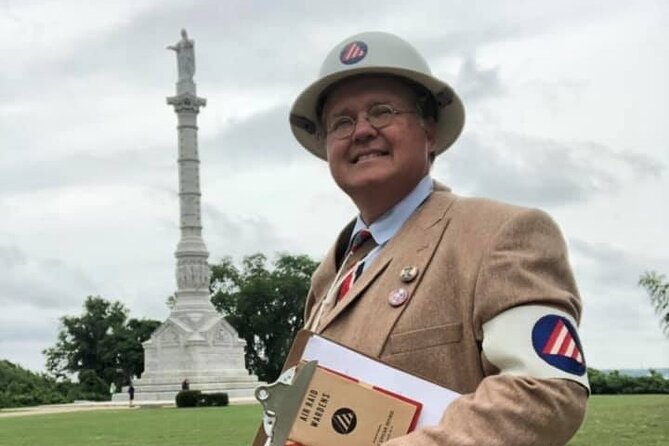
This is the kind of tour that works like a well-told radio broadcast: you get the main scenes quickly, and they connect into a bigger picture. You’ll start at Bruton Parish Episcopal Church on W Duke of Gloucester Street and finish in front of the Wren Building on William & Mary’s campus. In between, your guide leads you through spots that helped shape wartime life—religious groups, local leadership, neighborhoods, entertainment venues, and the college.
What makes it especially useful for your planning is the tight timing. Each stop is only about 10 minutes, so you’re not stuck waiting around at one spot while the story passes you by. You’ll also get a clear sense of the physical geography of Colonial Williamsburg—how these key sites sit close enough to connect themes in your head.
If you like tours that answer practical questions—who did what, where, and why—you’ll enjoy this format. If you want long museum-style reading time, you might prefer a longer self-guided day. Here, the goal is conversation and context, not lingering.
You can also read our reviews of more tours and experiences in Williamsburg.
Bruton Parish Episcopal Church: when churches spotted aircraft and hosted troops
Your first stop sets the tone. At Bruton Parish Episcopal Church, your guide explains how churches and civic organizations in Williamsburg supported the war effort—especially by helping with housing troops and serving as observation points to spot planes.
This is a smart starting point because it reframes what a church was during wartime. It wasn’t only a place for Sunday services. It was part of the local support system, working alongside citizens and institutions to watch the sky and make life function under wartime pressure. You’ll get a sense of shared responsibility on the Homefront—people pitching in wherever they could.
Practical note: because you’ll be outside and moving through a historic setting, wear shoes that work on old surfaces. In winter or shoulder season, plan for uneven ground and cold air that can turn 10 minutes into a long 10 minutes.
George Wythe House and the Colonial Williamsburg Foundation’s wartime mission
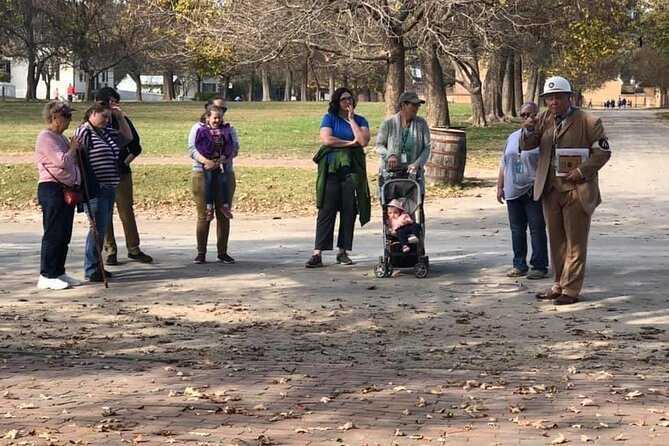
Next you’re at the George Wythe House, where your guide talks about the origins of the Colonial Williamsburg Foundation and its commitment to military education—specifically classes for the military on liberty.
This stop matters because it connects past and present. You’re not just hearing what happened in the 1940s; you’re seeing how Williamsburg’s later preservation and programming aimed to keep meaning alive for modern audiences—especially people connected to the military.
I like how this kind of focus avoids the usual tourist trap of treating war as only uniforms and speeches. Instead, it highlights education and the idea of why service members are there. It’s a theme you’ll keep running into across the rest of the tour: wartime choices weren’t only practical. They were also explained.
One caution: this stop is short. If you tend to ask lots of follow-up questions, save your biggest ones for the guide while you’re still right there.
Custis Tenement area: segregation, community contributions, and Lena Richards at Travis House
At West Duke of Gloucester Street, your guide speaks in front of the Custis Tenement, covering the impacts of segregation during the war and the contributions of the African American community. You’ll also hear a specific local reference: the culinary talents of Lena Richards at the Travis House.
This is one of the most important parts of the tour, and it’s also the part most likely to make you pause. The war didn’t erase segregation. It reshaped work, access, and opportunity, and it placed extra burdens on communities that were already fighting for dignity and fair treatment.
At the same time, your guide brings in the story of contribution—who cooked, who cared for visitors, and who helped keep morale and community life going. The Lena Richards detail is the kind of grounded specificity that makes the big topic feel human, not abstract.
If you want a tour that acknowledges uncomfortable truths while still pointing to real people and real work, this stop delivers. If you’re looking for only light seasonal vibes, you’ll still get them—but you’ll also get the honest wartime picture.
Governor’s Palace: holiday pressure, wartime realities, and lights out
Then you move to the Governor’s Palace, where your guide explores how the war affected citizens of Williamsburg, including the idea of holiday tours and the significance of lights out.
This is where your imagination can do some heavy lifting. The phrase lights out turns a neat holiday postcard idea into something tense and practical—keeping areas dark to reduce risk. Instead of thinking of Christmas as only carols and parties, you see how even celebrations had to adjust to wartime safety.
The holiday-tour angle is useful too. It shows that people still sought normal traditions, even while they were living with restrictions. You come away understanding that wartime life was not one continuous gray mood. It was a mix: joy squeezed into changed routines.
Because this stop is only about 10 minutes, be ready to listen closely. The guide likely covers several linked points quickly, so it helps to stay present and not check out mentally for too long.
Merchants Square: entertainment for soldiers, including movies and the USO
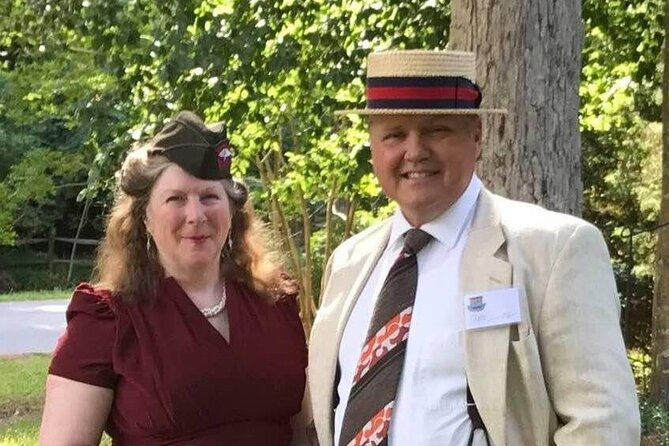
At Colonial Williamsburg’s Merchants Square, the focus shifts to morale. Your guide covers the kinds of entertainment available to soldiers in Williamsburg—things like movies and the presence and role of the USO.
This part often lands well because it’s easy to picture. Soldiers had schedules, and when downtime showed up, entertainment wasn’t a luxury—it was a way to keep spirits up and reduce the strain of separation and uncertainty. You’ll hear how public spaces and local programs helped fill that gap.
If you’re traveling with teens or someone who likes pop culture and social history, this stop can be a great bridge. It connects big wartime issues to everyday human needs: rest, laughs, and distraction.
Don’t expect a long list of titles or a deep museum crawl here. It’s more about the pattern—what kept morale afloat and how Williamsburg plugged into national support systems.
Wren Building: William & Mary’s wartime role for spouses, fund drives, and USO junior hostesses
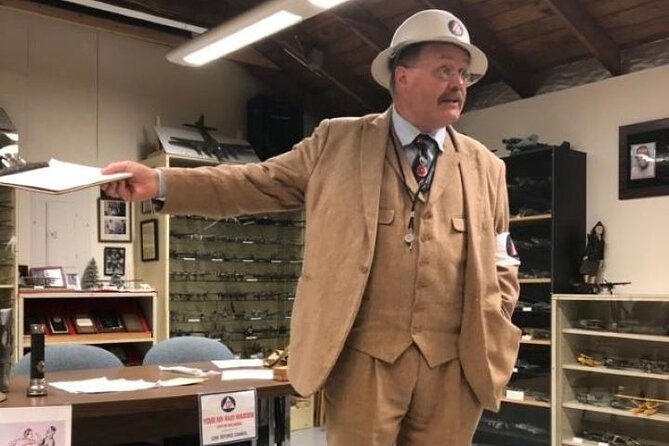
The last major stop is the Wren Building, where your guide explains contributions from the College of William and Mary during the war. Highlights include housing military spouses, holiday fund drives, and providing junior hostesses for the USO.
This is a satisfying finish because it pulls the story into the local institutions that shaped daily life. It also adds a generational layer: the war effort wasn’t only adult-run. Students and younger participants helped too—through organized roles connected to the USO and seasonal charitable efforts.
Ending here near the campus makes thematic sense. You start with a church connected to observation and troop support. You end with a college connected to families, fundraising, and youth involvement. The arc feels complete without requiring you to visit a museum collection or sit through a long lecture.
If you’re the type who likes clear takeaways, pay attention at the end. You’ll likely get the threads tied together in how your community is portrayed as a system that helped people survive and keep going.
A replica WWII Christmas card to the troops: the souvenir with a job
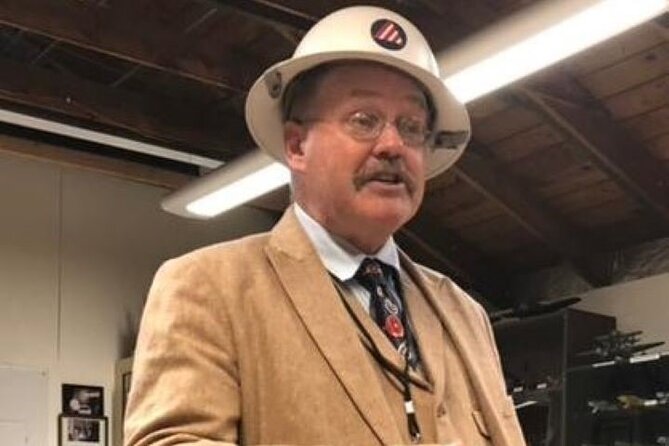
One included item is a replica World War II Christmas card to the Troops. It’s not just a themed trinket. It reinforces the point the tour keeps making: the Homefront wasn’t only about waiting. People organized messages, support, and morale boosters.
Practical upside: since it’s included, you don’t have to plan a separate stop for a holiday-themed remembrance. You leave with something that ties to the wartime purpose of the tour.
If you’re traveling as a family, this can also be a nice prompt afterward for a conversation—what it means to send support and how holiday giving changes during difficult times.
Price and value: what the included hour covers
No price is listed here, so I can’t tell you whether this is the cheapest WWII tour in Williamsburg. But I can help you judge value using what’s included.
You are paying for:
- A private, 1-hour character-led experience
- A set of guided stops that are close enough to be practical
- The replica Christmas card included with the tour
- A guide who connects those sites to WWII-era roles and seasonal changes
You should also plan for potential extras. Several stops note admission tickets not included. That doesn’t mean the tour is poor value—it means you should check whether you’d otherwise pay to enter those specific sites. If you already plan to visit museums inside Colonial Williamsburg, the tour can still be a strong way to add meaning and direction. If you were hoping everything would be fully ticket-free, budget for at least some site entry.
Given the short duration, this is also a good value style if you’re time-crunched. You’ll get a structured story without eating most of your day.
Tips to make the most of the tour in winter Williamsburg
This experience is timed and weather-dependent, so a little prep helps a lot.
- Wear comfortable walking shoes. Old streets and historic paving can be slick.
- Bring layers. Even when the sun pops out, the wind around historic buildings can cut fast.
- Make sure your phone is ready for a mobile ticket. You won’t want to waste time fumbling when the group is starting.
- If you have questions, ask early. With brief 10-minute stops, the best chance to steer the conversation is right after your guide sets the scene.
- Keep an eye on the weather forecast. The experience requires good weather, and if it’s canceled due to poor weather, you’ll need to choose a new date or get a refund.
Also, since it’s listed as having a moderate physical fitness level, plan for steady walking and standing at outdoor points for short periods. Service animals are allowed, so if that applies to your group, you can travel with confidence.
Who should book Christmas on the Homefront?
I’d point this tour toward a few types of travelers:
- You want WWII storytelling that’s grounded in specific local sites, not generic facts.
- You like tours that include social issues like segregation and the role of African American community members during the war.
- You prefer a fast, focused experience that still covers multiple themes—churches, government, neighborhoods, entertainment, and the college.
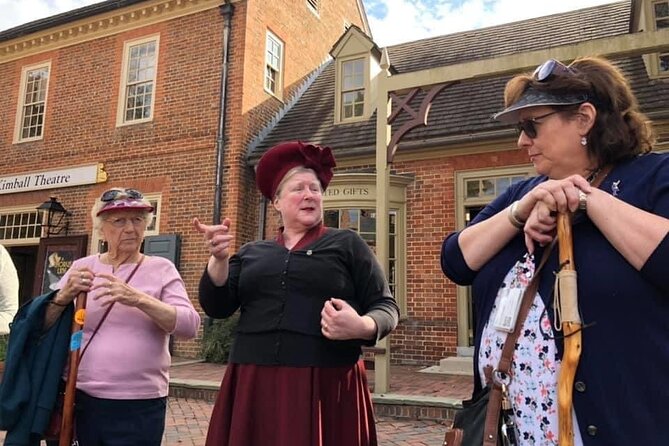
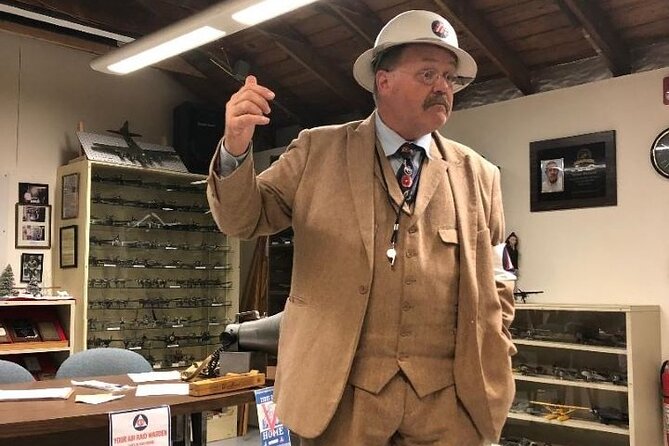
- You’ll enjoy guided character-style narration with a serious but approachable tone.
It may not be ideal if you need long museum entry time at multiple indoor exhibits. This tour is about the walk, the connections, and the guided explanation at each stop.
Should you book this tour?
If you want a one-hour way to understand how Williamsburg handled war—and how Christmas looked when daily life was under pressure—this is a strong pick. The biggest reasons to book are the tight structure, the wartime focus across several institutions, and the tour’s willingness to address segregation while still highlighting real contributions like Lena Richards at the Travis House.
Before you reserve, do two quick checks:
- Decide whether you’re okay with possible extra admission for some stops.
- Check the forecast and plan for weather adjustments.
If those fit your style, book it. This is the kind of tour that helps the 1940s stop feeling like a textbook chapter and start feeling like a place you could actually walk through.
FAQ
How long is the Christmas on the Homefront: A 1-Hour World War II Character Tour?
It runs for about 1 hour (approximately).
Where does the tour start and end?
It starts at Bruton Parish Episcopal Church, 201 W Duke of Gloucester St, Williamsburg, VA 23185, and ends in front of the Wren Building on the College of William and Mary campus at 111 Jamestown Rd, Williamsburg, VA 23185.
What language is the tour offered in?
The tour is offered in English.
Is this a private tour?
Yes. It’s a private tour/activity, so only your group participates.
Are admission tickets included for the stops?
No. Several stops specify that admission tickets are not included.
What happens if weather is bad?
The experience requires good weather. If it’s canceled due to poor weather, you’ll be offered a different date or a full refund.