REVIEW · YORK
York Christmas Walking Tour
Book on GetYourGuide →Operated by Love Yorkshire Guiding · Bookable on GetYourGuide
York’s Christmas story walks start at Constantine. On this York Christmas Walking Tour, you follow the glow through medieval streets while a guide ties modern traditions to much older celebrations. Two things I really like: you get a clear timeline of Christmas ideas, and the stories are told in a way that makes the whole season feel personal.
The tour is also led by professional storyteller Sarah, and in wet weather she still keeps the pace engaging and easy to follow. The main consideration is simple: it’s a 1.5-hour walking experience, so you’ll want comfortable, warm shoes and layers for December in North Yorkshire.
In This Review
- Key things I’d circle before you go
- Why York’s Christmas lights are the right stage for 2,000 years of traditions
- Meeting at the Statue of Constantine: how the tour starts strong
- Roman Saturnalia to Viking mid-winter: the party DNA of Christmas
- Medieval York at night: seeing history in the Christmas-light glow
- 521 AD and York’s early Christmas claim: the moment the story turns
- Georgian and Victorian feasts: why old meals became modern traditions
- Pop-culture Christmas inside a real city: Rudolph, the Grinch, and Boxing Day
- Price and pacing: how $20 for 1.5 hours adds up
- What’s included (and what you’ll need to plan separately)
- Smart tips for dressing and staying comfortable
- Who this tour is for
- Should you book the York Christmas Walking Tour?
- FAQ
- Where is the tour’s meeting point?
- How long is the York Christmas Walking Tour?
- What language is the guide?
- Is the tour wheelchair accessible?
- What should I bring?
- Is mulled wine or food included?
Key things I’d circle before you go
- Roman, Viking, and Victorian roots: you’ll connect festivities across eras, not just admire lights
- York’s early Christmas claim: stories about the first Christmas celebrations in York in 521 AD
- Pop-culture clues: you’ll hear where Rudolph’s red nose comes from and how the Grinch tried to cancel Christmas
- Night-time street storytelling: medieval lanes plus Christmas lights make history feel immediate
- Good value time-wise: 1.5 hours is long enough to feel like a real tour, not a commitment marathon
Why York’s Christmas lights are the right stage for 2,000 years of traditions
York does Christmas in a very specific way: the lights aren’t just decoration, they’re a backdrop for stories. This tour leans into that idea hard. You’re walking through medieval streets that already feel atmospheric in daylight, then the seasonal lighting turns them into something closer to a living storybook.
What makes it work is the way the guide builds a chain of cause and effect. You don’t just hear facts like dates and names. You hear how earlier winter festivals, feasts, and rituals helped shape what later generations treated as Christmas. That’s why the tour travels from Roman Saturnalia to Viking mid-winter celebrations, then forward to Georgian and Victorian feasts. It’s essentially a history of celebration styles—how people marked dark days and brought out food, drink, and community.
If you enjoy learning without it turning into a lecture, this format is a good fit. You’re moving, looking up at the lights, and listening to a guide connect the dots. And because it’s York, the setting does half the work for you.
You can also read our reviews of more tours and experiences in York.
Meeting at the Statue of Constantine: how the tour starts strong
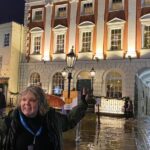
The meeting point is easy to remember: the Statue of Constantine. Starting there matters because it instantly cues the theme: this isn’t only a Victorian Christmas postcard. York’s story stretches across empires, faiths, and eras, and the tour’s opening framing helps you settle into that mindset fast.
In the first stretch, you’ll get oriented and warmed up with the idea of Christmas as an evolving tradition. You also begin your walk through the city’s festive glow, which helps you transition from “tourist looking” to “participant listening.” By the time you’ve reached the medieval lanes, you’re ready for the heavier historical threads—like the way winter festivals in other cultures influenced later celebrations.
One practical note: this tour finishes at 14 Parliament St, York YO1 8SG. That’s a handy drop-off if you plan to keep exploring after the 1.5 hours, but it also means you’re not looping back to the exact starting spot. If you’re using local transit or parking, keep that in mind.
Roman Saturnalia to Viking mid-winter: the party DNA of Christmas
The big theme you’ll hear again and again is that Christmas didn’t appear fully formed. People were already celebrating dark-season moments long before the modern holiday took shape. This tour walks you through that progression with the kind of storytelling that makes the origins feel entertaining rather than academic.
You start with Roman Saturnalia—the festival known for feasting and revelry. Then the tour shifts to the Viking mid-winter Solstice angle. The point isn’t that everyone celebrated the same way. It’s that winter was a social event, and communities used food, rituals, and gatherings to turn cold months into something shareable.
Why this matters for you: it helps you understand why modern Christmas feels the way it does. The season is still about warmth, shared meals, and permission to relax. When you hear how earlier societies handled the same winter problem—darkness, cold, and the need for morale—it puts today’s celebrations into a longer context.
Also, the tour keeps the tone light. The material includes serious history, but it’s presented with humor and clear connections. That approach comes through in the guide feedback from real tours—Sarah’s storytelling style is consistently singled out as engaging, even when conditions are miserable.
Medieval York at night: seeing history in the Christmas-light glow
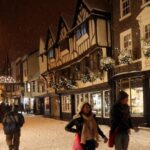
One of the best parts of the experience is how it combines two things you’d otherwise do separately: walking York at Christmas and hearing the city’s story through the lens of the holiday. The route is built around medieval streets adorned with Christmas lights, so your eyes constantly have something to catch—arches, lanes, and the seasonal decoration that makes everything feel older and warmer at the same time.
When you’re walking these streets, the historical content lands differently. You can picture that people lived their lives here centuries ago. And when the guide talks about festive customs and seasonal meaning, you’re not imagining a museum scene—you’re in the actual setting.
This matters even more because the tour doesn’t treat York as a generic backdrop. It frames the city as a place with its own Christmas story. You’ll hear York’s claim to being Britain’s most Christmassy city, plus the way the city’s identity shaped how people talked about the holiday over time.
521 AD and York’s early Christmas claim: the moment the story turns
The tour highlights one specific anchor that makes it feel real: the first-ever Christmas celebrations held in York in 521 AD. You’ll hear that story as part of the tour’s larger timeline, tying it back to older winter practices and later Victorian tradition.
That kind of detail changes the whole experience. Instead of thinking of Christmas as something that just happened in the background of England, you start to connect it to particular dates and moments in York’s past. It’s the difference between holiday vibes and holiday context.
The guide also connects this early York Christmas moment to later traditions—how customs evolved, and how later communities interpreted older ideas. That’s why the tour moves forward through feast culture and Victorian celebration habits. It isn’t random. It’s showing the chain of influence.
Georgian and Victorian feasts: why old meals became modern traditions
After the older festival roots, the tour pulls you toward what many people actually think of as classic Christmas. You’ll hear about Victorian feasting and related traditions, including how later eras formalized parts of the holiday.
Victorian Christmas is especially important because it shaped a lot of what we now treat as “normal” Christmas behavior—food, gatherings, and the sense that the holiday should be structured and meaningful. This tour uses that shift to explain why some traditions persist even when the world around them changes.
If you’re someone who enjoys understanding why traditions exist, you’ll get a lot here. You’re not just told what people did. You’re told how the season’s meaning was packaged over time—first through older winter festivals, then through organized celebration and feasting culture.
And yes, the tone stays fun. You’ll get those moments where the guide drops a clever pop-cultural reference into the story stream, then snaps back to the historical thread.
Pop-culture Christmas inside a real city: Rudolph, the Grinch, and Boxing Day
This is a surprising strength of the tour: it doesn’t treat Christmas history as only serious material. It mixes in familiar characters to make the listening easier and the facts stick.
You’ll hear where Rudolph’s red nose came from, plus the story angle about the Grinch trying to cancel Christmas. These pieces aren’t about turning York into a theme park. They’re about using cultural touchstones to help you remember the bigger message: traditions morph over time, and people keep telling stories in new ways.
Then there’s Boxing Day. The tour includes a nod to a famous author who read his stories in York and helped shape Boxing Day as part of the season’s tradition. The specific author isn’t named in the details you’re given up front, but the connection is clear: the holiday schedule and its storytelling culture weren’t always separate things.
This section is also where the tour feels most “alive.” You’ll notice that when the guide ties a popular idea to a historical practice, it becomes easier to follow the overall timeline.
Price and pacing: how $20 for 1.5 hours adds up
At $20 per person for about 1.5 hours, this tour is priced like a good-value walking experience rather than a half-day production. For that time window, you get:
- A guided walk through Christmas lights in central York
- A storytelling timeline from Roman Saturnalia through Viking mid-winter and into Victorian feasting
- A city-specific focus, including 521 AD in York
- A professional guide who keeps the mood upbeat
The biggest reason the price feels fair is the format. You’re not paying for entry tickets you might not even care about. You’re paying for a guide’s ability to connect themes and make the city’s seasonal atmosphere feel meaningful. Reviews consistently point to Sarah as a standout storyteller, and that matters because this tour lives or dies on delivery.
Also, 1.5 hours is a sweet spot. It’s long enough to learn, but short enough that you can still plan the rest of your York evening after the walk. And when you’re in December, time is precious—cold weather has a vote.
What’s included (and what you’ll need to plan separately)
This experience includes the guided walking tour through York’s Christmas light-bedecked streets, plus the historical insights and a professional English live guide. It’s also wheelchair accessible, which is a big plus if you need that level of practicality.
What it doesn’t include is important to know so you don’t build your evening around it:
- No mulled wine (you might spot it nearby, but plan to buy it separately)
- No food
- No entry to York Minster
If you want to see York Minster, decide that plan in advance. The tour is designed to focus on Christmas history and festive streets, not church-ticket logistics. Still, the guide can give you context that makes whatever you do after feel more connected to the holiday story.
Smart tips for dressing and staying comfortable
This tour’s success depends mostly on being comfortable. You’ll walk through winter streets, and the guide can be working in anything the weather throws at York.
Bring:
- Comfortable shoes (you’ll be walking and standing as stories unfold)
- Warm clothing (layers beat one thick jacket)
Also, if you hate being cold and damp, pack for the worst-case scenario. Even in pouring rain, Sarah’s tours are described as informative and still enjoyable—so your best move is to be ready for weather rather than hope for sunshine.
Who this tour is for
This is a great match if you:
- Like history, but want it told with warmth and good pacing
- Want Christmas lights plus context, not just photo spots
- Enjoy learning how traditions evolve—from ancient winter festivals to Victorian celebration habits
- Appreciate a guide who can juggle serious dates and fun cultural references
It’s less ideal if you’re looking for a quiet, slow viewing-only walk with no stories. This tour is story-driven.
Should you book the York Christmas Walking Tour?
I’d book it if you want your first evening in York to feel like more than sightseeing. For about $20 and 90 minutes, you get a guided Christmas timeline from Roman Saturnalia to Victorian feasting, plus York-specific anchors like 521 AD. And the consistent highlight in real guide feedback is how engaging Sarah is—she keeps you listening, even when conditions turn.
Skip it only if you already know the Christmas history angle and you’re mainly chasing lights for photos. In that case, you might prefer a self-guided stroll.
If you want the festive season to make sense—this is one of the more practical ways to do it while you’re standing in the heart of the city’s glow.
FAQ
Where is the tour’s meeting point?
The meeting point is the Statue of Constantine.
How long is the York Christmas Walking Tour?
The tour runs for about 1.5 hours.
What language is the guide?
The live tour guide is available in English.
Is the tour wheelchair accessible?
Yes, the tour is wheelchair accessible.
What should I bring?
Wear comfortable shoes and dress in warm clothing.
Is mulled wine or food included?
No. Mulled wine and food are not included.