REVIEW · CABO SAN LUCAS
Los Cabos Snorkeling Tour to Chileno Bay and Santa Maria Cove
Book on Viator →Operated by High Tide Los Cabos · Bookable on Viator
Two calm bays. One easy snorkeling day. This tour focuses on shore-snorkeling at Santa Maria Beach and Playa el Chileno, guided by people who know where the fish and coral are hiding. I love that it feels simple and relaxed (no boat handling), and I also love the way the guides like Pedro and Marco keep you oriented fast and make sure you feel comfortable in the water.
One thing to plan for: shore entry means you’ll walk in from the beach, and on cooler mornings the water can feel chilly. Also, there are no locker facilities, so you’ll want to keep valuables secured with what you can safely leave in the transport.
In This Review
- Key things to know before you go
- Chileno Bay and Santa Maria Cove: shore snorkeling that works for most people
- Price and value: why $95 can make sense in Cabo
- The 3-hour rhythm: pickup, Santa Maria, Chileno, then a short drive stop
- Stop 1: Santa Maria Beach and the quick path to clear water
- Stop 2: Playa el Chileno and the reef snorkeling that people talk about
- The guides: how Pedro, Marco, Hugo, Luis, Emilio, and others shape your day
- Gear, wetsuits, and the cold-water question you should take seriously
- Getting the best visibility: simple choices that actually matter
- Who should book this, and who should think twice
- Should you book this Chileno Bay and Santa Maria Cove snorkeling tour?
Key things to know before you go
- Shore-only snorkeling: no boats, just beach access and guided swim spots.
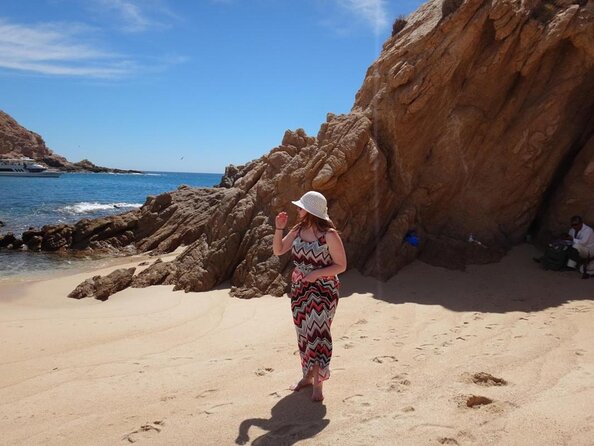
- Two classic coves in ~3 hours: Santa Maria first, then Chileno Bay.
- Included wetsuit + snorkel gear: plus shaded time and snacks/water.
- Small group size: up to 15 travelers.
- Weather-driven changes happen: wind, swell, rain, jellyfish can affect plans.
Chileno Bay and Santa Maria Cove: shore snorkeling that works for most people
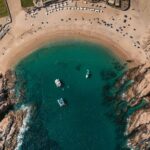
This is a beach-based snorkeling tour, built around two of Cabo’s most popular calm-water areas. Santa Maria Cove gives you a gentle, clear-water start, and Chileno Bay is the second stop where conditions are typically friendly for snorkeling. If you’ve got kids or you’re a first-timer, this matters: easy entry and calm conditions make it much less stressful than the more chaotic style of snorkeling where you’re juggling ladders and choppy water.
The guide’s job isn’t just to hand you gear. It’s to get you to the best parts of the reef and to help you find marine life efficiently. In practice, that means you’re not spending your whole hour doing the tourist thing—head down, guessing where to look—because your guide points out what’s worth watching and how to move safely over coral.
One more practical point: you’re not on a boat. That’s a huge time-saver and it’s one less thing to worry about. You show up, get fitted, and then you’re in the water from the beach.
You can also read our reviews of more tours and experiences in Cabo San Lucas.

Price and value: why $95 can make sense in Cabo
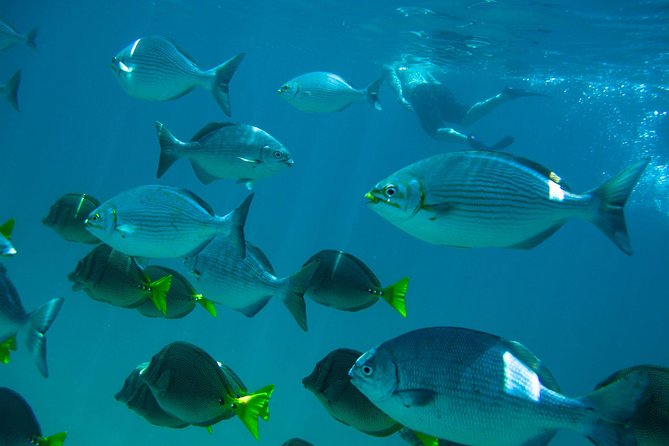
At $95 per person, you’re paying for a guided, equipment-included half-day-ish experience with round-trip transport. If you tried to recreate this on your own, you’d still need gear, someone to show you good entry zones, and a way to handle the logistics of getting between coves.
Here’s what you actually get that helps justify the cost:
- A professional guide who manages the snorkeling flow
- Snorkel gear and a wetsuit (you’re asked for your size in advance)
- Bottled water and granola bars
- Shaded camp so you’re not baking between swims
- Hotel/port pickup and drop-off (and a complimentary transport option within the tourist areas)
That last bit—transport—often decides whether this feels like a vacation or a chore. It’s also a small-group tour (max 15), which usually means you spend more time paying attention to the water and less time waiting in a big scrum.
The best value is when you use the whole day structure: gear up quickly, snorkel both spots, then relax for the ride back.
The 3-hour rhythm: pickup, Santa Maria, Chileno, then a short drive stop
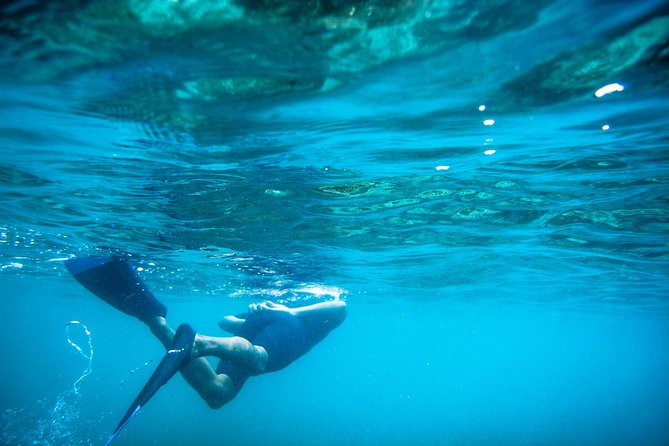
This tour runs about 3 hours, and you get to choose a morning or afternoon departure (9 a.m. or 2 p.m. on Mondays, Wednesdays, Thursdays, and Saturdays). Pickup timing depends on your location, with pickups starting roughly 1.5 hours before the scheduled activity time.
The day’s structure is straightforward:
1) Santa Maria Beach (about 1 hour in the water)
2) Chileno Bay (about 1 hour in the water)
3) A drive segment back through the hotel zone/ocean views (about 50 minutes)
That drive portion isn’t just dead time. It’s your “Cabo orientation” moment—seeing the hotel zone and getting a sense of how the coastline lays out. It also helps keep the tour from feeling like a frantic sprint between locations.
One smart tip from how they operate: in the mornings, conditions are often better because there’s typically less wind and fewer waves. If your schedule allows, pick the earlier start.
Stop 1: Santa Maria Beach and the quick path to clear water
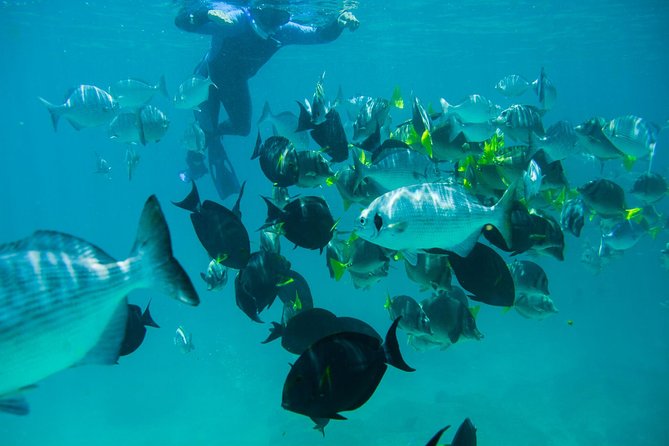
Santa Maria is the easy opening act. You’ll snorkel in the calm, clear waters of Bahia de Santa Maria, and the big advantage is how fast you can get into the water once you’re suited up. This is exactly the kind of setup that helps kids and people new to snorkeling enjoy the experience without a long transition.
What to expect:
- Lots of time spent just doing snorkeling, not waiting around
- A guide who helps you focus on fish and the reef features
- A more relaxed feel early in the tour, when you’re still fresh
In the real-world vibe from guides, they’ll often point out what you’re seeing—tropical fish, reef formations, and other marine life—so you get more than random glimpses. If you’re the type who likes to understand what you’re looking at, you’ll likely appreciate that the guide keeps the swim practical and informative.
If you end up skipping or shortening the second stop later (it can happen if a spot is crowded or timing gets off), spending your time well at Santa Maria is a solid backup plan. One recurring theme from how this tour feels: the first cove is a great place to “get your eyes on.”
Stop 2: Playa el Chileno and the reef snorkeling that people talk about
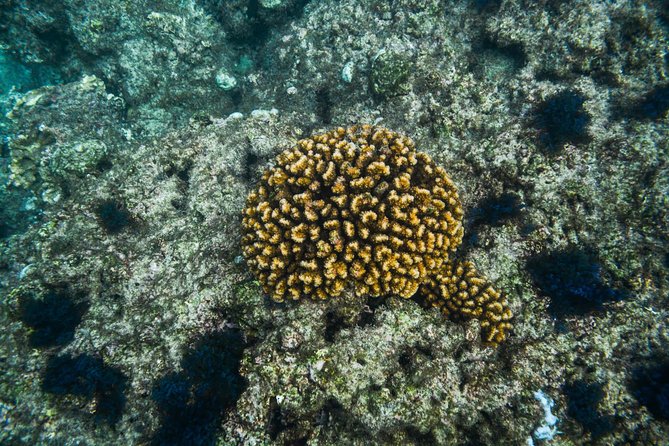
Chileno Bay, or Playa el Chileno, is the second major snorkeling moment. The selling point here is gentle waves and clear visibility, which is exactly what you want for reef snorkeling. This is where you’re more likely to see coral structures up close and spot a wider mix of marine life.
Your guide helps you find the best sections to swim—think fish and reef areas rather than just drifting in open water. From what I’ve seen described about this kind of guided shore snorkeling, the guide’s value is in route choices: where to enter, how to approach coral without stressing it, and where to look so you don’t miss the easy-to-see action.
Marine life highlights that fit the tour’s typical conditions include:
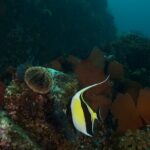
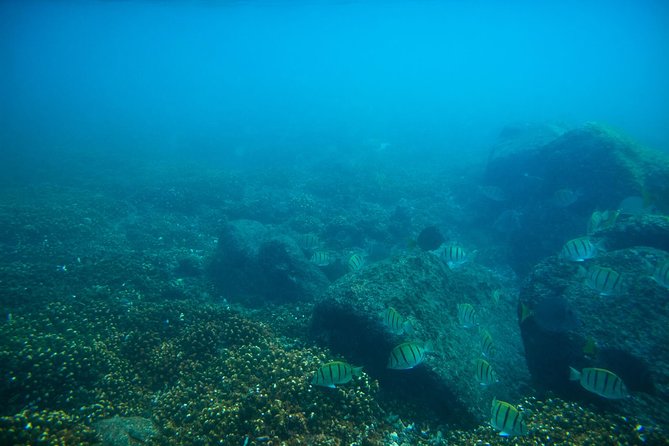
- Tropical fish and reef life
- Sea turtles (seen on multiple tours with this setup)
- Rays (also reported)
- Coral and rock/coral formations that make the snorkeling visually interesting
One practical note: because Chileno Bay is popular, it can get busy. That doesn’t automatically ruin the tour, but it can affect how crowded the water feels at your entry time. If the guide gives you flexibility during the second stop, it’s often worth following their lead on where to focus your snorkeling energy.

The guides: how Pedro, Marco, Hugo, Luis, Emilio, and others shape your day
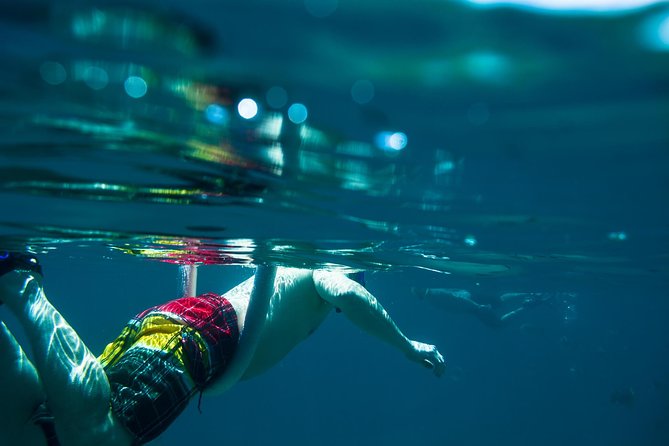
The guides are a big reason this tour earns such high praise. The pattern in the experiences shared is consistent: guides are friendly, patient, and focused on safety, and they help you enjoy the water instead of fighting your gear or second-guessing where to swim.
You’ll see guide styles that match different needs:
- Pedro: described as helpful, patient, and very relaxed about customizing your time.
- Marco: known for guiding you through the snorkel areas and keeping it fun, with lots of reef-focused attention.
- Hugo: called out for strong English and for actively showing you where to go, sometimes even swimming alongside the group.
- Luis: often praised for local knowledge and helpful guidance with the practical parts of snorkeling.
- Emilio: mentioned for being patient, including helping with mask fit, which matters if you’re a first-timer.
A small but memorable extra: some guides share underwater photos or video afterward, and one description even mentions sending footage straight to a phone. Even when that doesn’t happen, you can count on the core service: you’ll be outfitted, oriented, and coached during the swim.
If you want to snorkel as independently as possible, look for the kind of guide who explains what you’re seeing and then gives you room to explore.
Gear, wetsuits, and the cold-water question you should take seriously
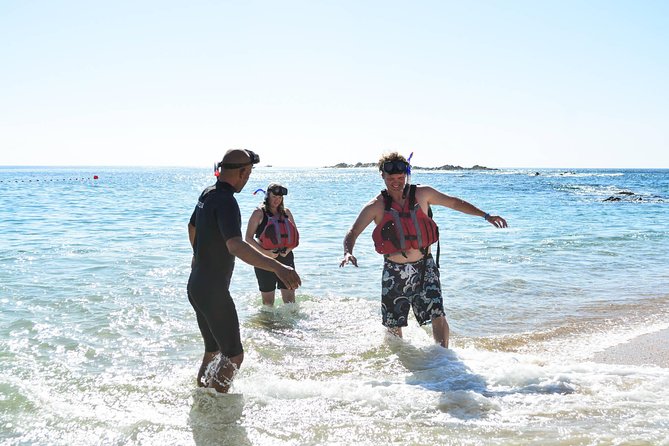
This tour includes snorkel gear and a wetsuit. They ask you for your wetsuit size in advance, and it’s worth doing it promptly so you get a proper fit. The tour doesn’t offer locker facilities, but you can leave personal belongings in the transportation safely.
About the water temperature: yes, it can be cold at times. Some descriptions mention cool winter mornings and the need for the wetsuit to stay comfortable. That doesn’t mean it’s unsafe or miserable—just that you should dress for it. If you get cold easily, you’ll be happier going in warm-season months, or you’ll want to accept that you’ll likely snorkel a bit, warm up during breaks, and then decide how long to stay in the water.
Also, you’ll want to bring sunscreen and a bathing suit you’re comfortable wearing. The tour setup is simple: get geared up, then snorkel from the beach.
Getting the best visibility: simple choices that actually matter
A guided shore snorkeling tour lives and dies by visibility. You can’t control wind or swell, but you can choose smarter timing and follow the plan when conditions change.
Here’s how to stack the odds:
- Pick the morning if you can: mornings often mean less wind and fewer waves.
- Listen to your guide about where to go in each cove rather than chasing fish on your own.
- Pay attention to comfort early: if you’re too cold, it’s harder to snorkel calmly and spot marine life.
The operator also notes that weather can lead to location changes, rescheduling, or cancellation due to factors like rain, high swell, wind, and jellyfish. The key point for you: they treat safety as the priority, so if conditions aren’t right, you’ll get options like a different day or a full refund if they cancel due to poor weather.
Who should book this, and who should think twice
This is a strong match for:
- Families with kids age 6 and up (it’s designed for calm, shallow snorkeling areas)
- First-time snorkelers who want clear guidance and easy beach entry
- People who don’t want a boat ride and prefer a straightforward beach-day rhythm
- Travelers who like seeing real marine life without a complicated itinerary
You should think twice if:
- You strongly prefer boat snorkeling experiences with ladder/boat entry (this tour is explicitly not a boat tour)
- You expect lockers and a full beach-club setup (there are no locker facilities)
- You’re sensitive to cold water and are traveling in cooler months
The upside is that shore entry can actually be more freeing—no waiting around, no climbing, just getting in and looking.
Should you book this Chileno Bay and Santa Maria Cove snorkeling tour?
I’d book this if you want a simple Cabo snorkeling day that prioritizes calm water, quick beach access, and a guide who helps you see more than you would alone. The included gear, wetsuit, shaded resting area, and pickup/drop-off are what make it feel like a true value at $95—especially when you’d otherwise have to assemble all those pieces yourself.
Skip it or consider alternatives if you’re picturing a boat-centered excursion or if cold water would ruin your mood. Also, make sure you provide your wetsuit size during booking so you get the best fit.
If your goal is clear-water reef time at two of Cabo’s best-known coves—without the hassle of boats—this tour is a very solid choice.